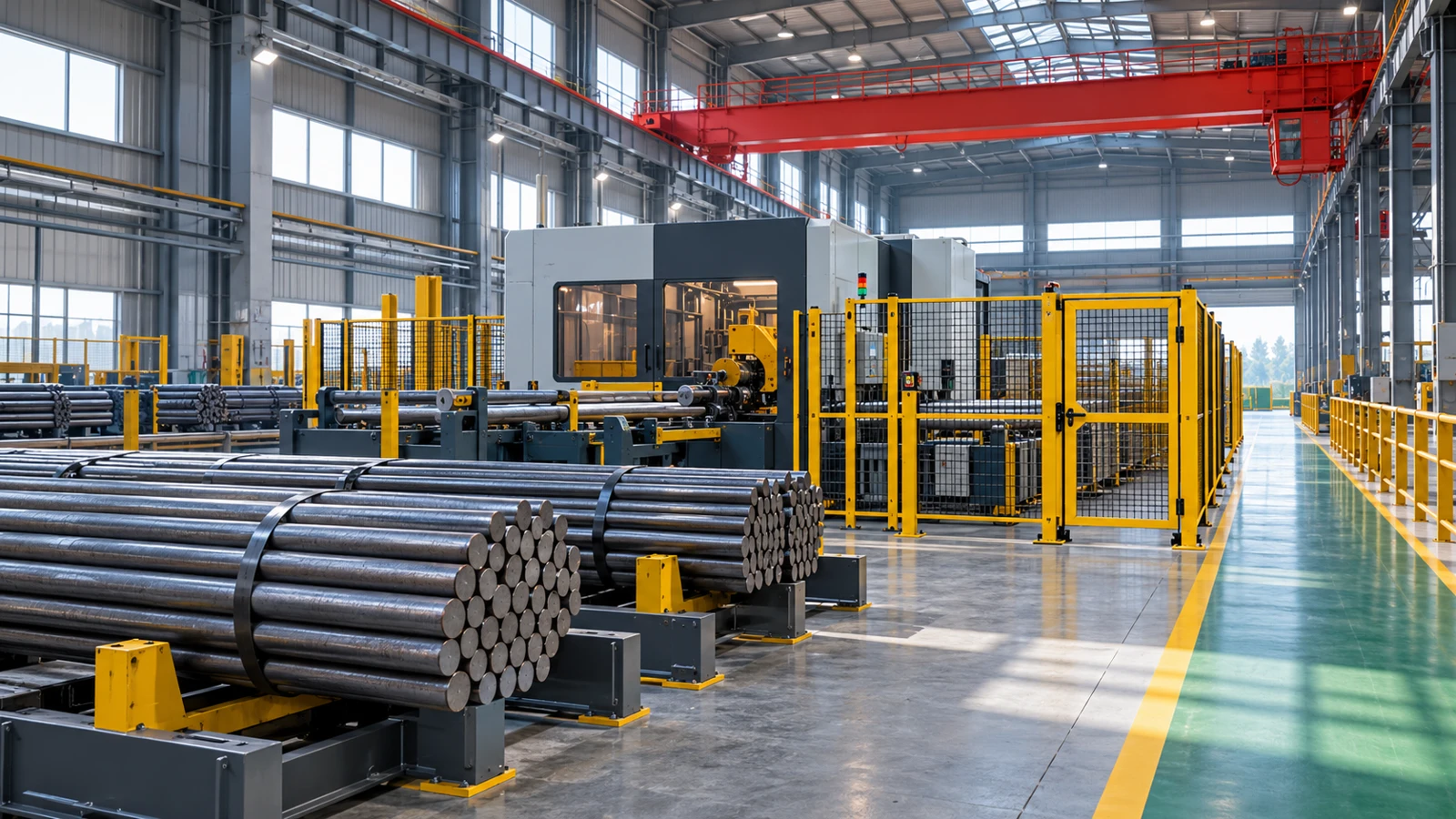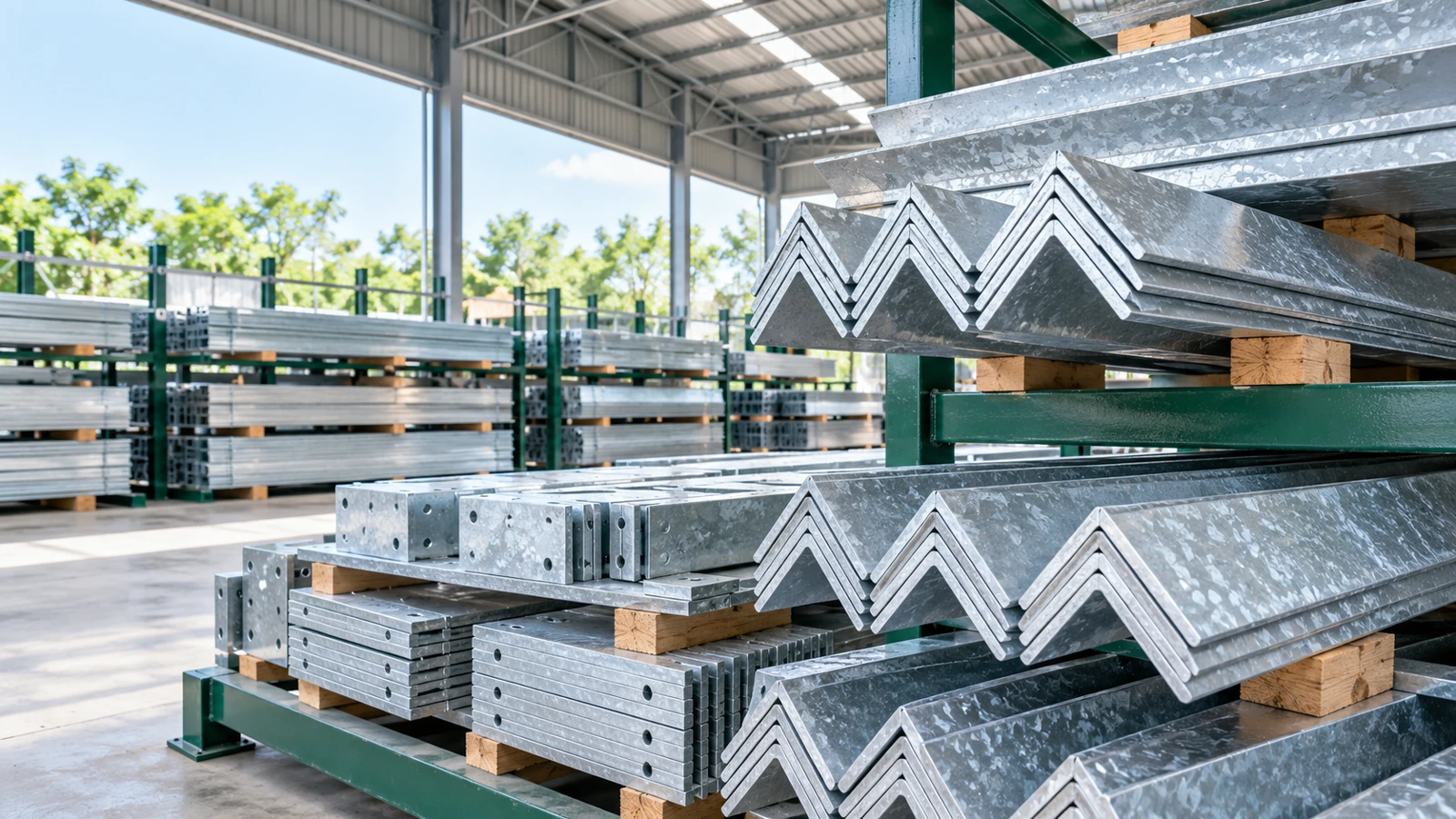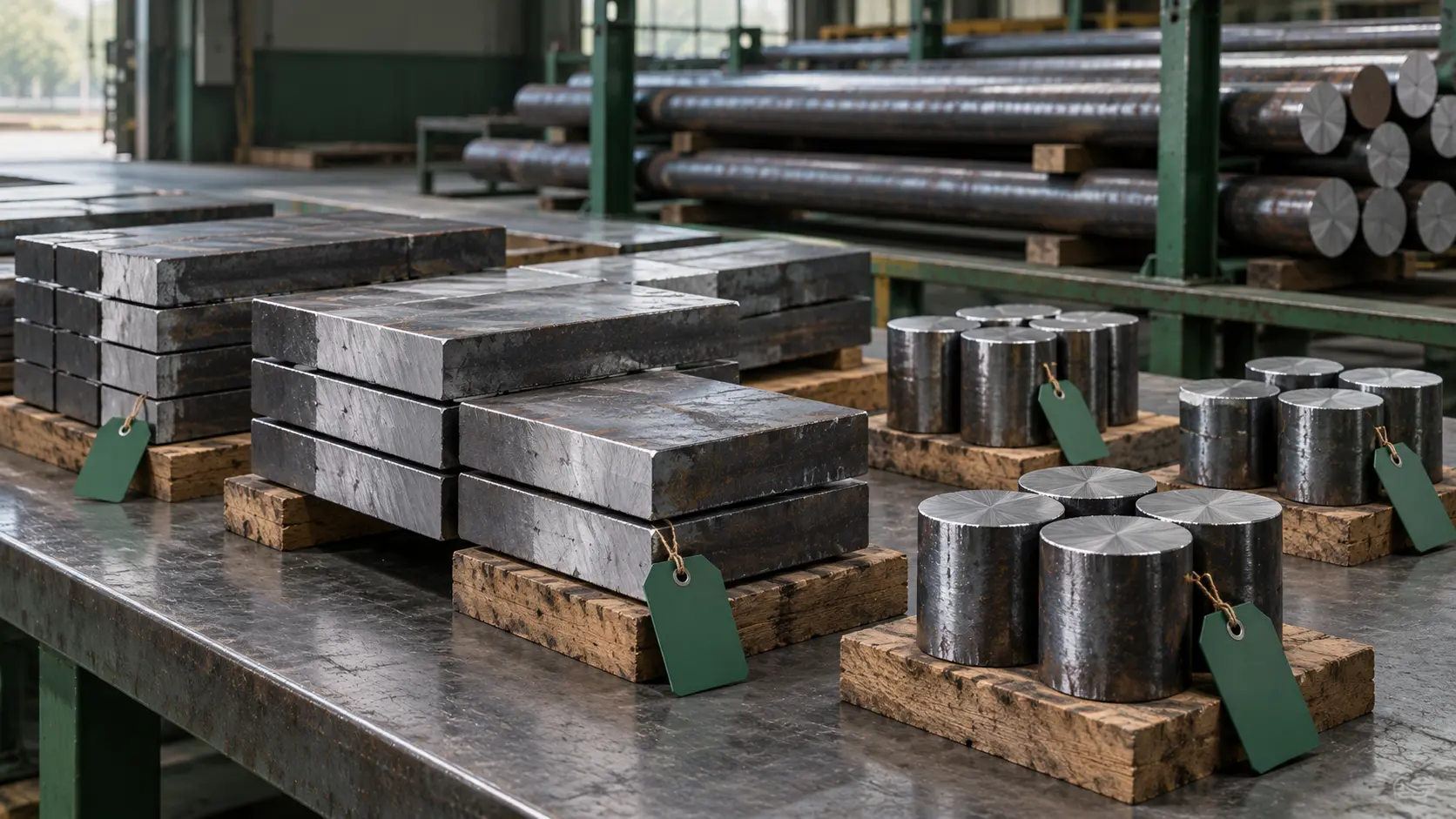
A plate or bar may become several blanks delivered at different times. If its original marking remains on only one piece, the others can lose their connection to the paperwork. BVM editorial, 20 October 2026: a practical approach to recording identity before cutting, after cutting and at delivery.
Start with the link between material and records
SSAB's Data Matrix page describes a product ID providing access to grade, dimensions and certificates. Its 23 May 2018 SmartSteel announcement also describes identification for retrieving material data. These are manufacturer examples, not universal requirements.
BVM recommends maintaining an explicit link between each cut piece, the parent material and its documents.
Before cutting
Match the material identification with the received documents and purchase requirements. Record readable original markings, photographs and the storage location. Resolve mismatches before splitting the material. Agree on an identification method accepted by the order and technical team; this article does not prescribe stamping for every material.
After cutting
An illustrative internal system could identify parent material as A, blanks as A-01 and A-02, and the remnant as A-R. These are internal references, not new mill heat numbers.
Record the child and parent IDs, relevant original heat/plate/coil reference, dimensions, quantity, cutting date, recorder, storage location and receiving order. Keep different grades and batches separated even where dimensions match. Colour coding can assist identification but should not replace the documentary link.
Delivery and remnants
Use the same piece IDs on the delivery list and provide the documents agreed in the order. Receiving staff should reconcile identification, quantity and dimensions before production. Update the remnant record so the next issue can still be traced.
If identity cannot be verified, BVM recommends segregating the piece, recording its unresolved status and referring it to the authorised person under the applicable procedure. Do not assign a certificate merely because another piece looks similar.
A purchasing enquiry can ask for identified blanks linked to the parent material, a piece list, agreed documents and a separate remnant record. Adapt this BVM suggestion to the actual scope of work.
Sources: SSAB Data Matrix Marking, no publication date displayed; SSAB SmartSteel 1.0, 23 May 2018; checked 20 October 2026. The workflow is BVM editorial guidance and does not replace contractual or technical requirements. Cover: AI-created BVM illustration with the authentic logo, not a real batch or inspection photograph.