Delivery needs warehouse preparation
A confirmed steel order can still face delays if the receiving team has not agreed an arrival slot, contact person or unloading arrangements. BVM suggests a coordination sheet before dispatch.
Reference
HSE HSG246, second edition, August 2016, addresses unloading, storage, internal transport, mechanical lifting and sharp-edge hazards. It is UK guidance, not a Vietnamese regulation or a site-specific lifting plan.
BVM coordination checklist
- Purchasing confirms product, dimensions, package count, documented weight and required documents.
- Transport provides vehicle details, expected arrival and contact; the warehouse confirms its receiving slot and coordinator.
- The warehouse discusses the load, receiving area and suitable equipment availability with the unloading team in advance.
- The receiver agrees how to record quantity discrepancies, package condition and missing documents.
These are BVM organizational suggestions. Competent personnel must select equipment, accessories and procedures using actual loads, manufacturer instructions and site conditions. Product names or illustrations cannot establish lifting capacity.
When reality differs from the notice
If vehicle configuration, weight or packaging differs or remains unclear, the warehouse should refer it to the responsible person for reassessment before unloading. Pressure to release a truck must not replace confirmation of suitable arrangements.
BVM suggests retaining delivery confirmation, delivery notes, condition photographs and discrepancy records together. Responsibility remains subject to the contract and actual evidence.
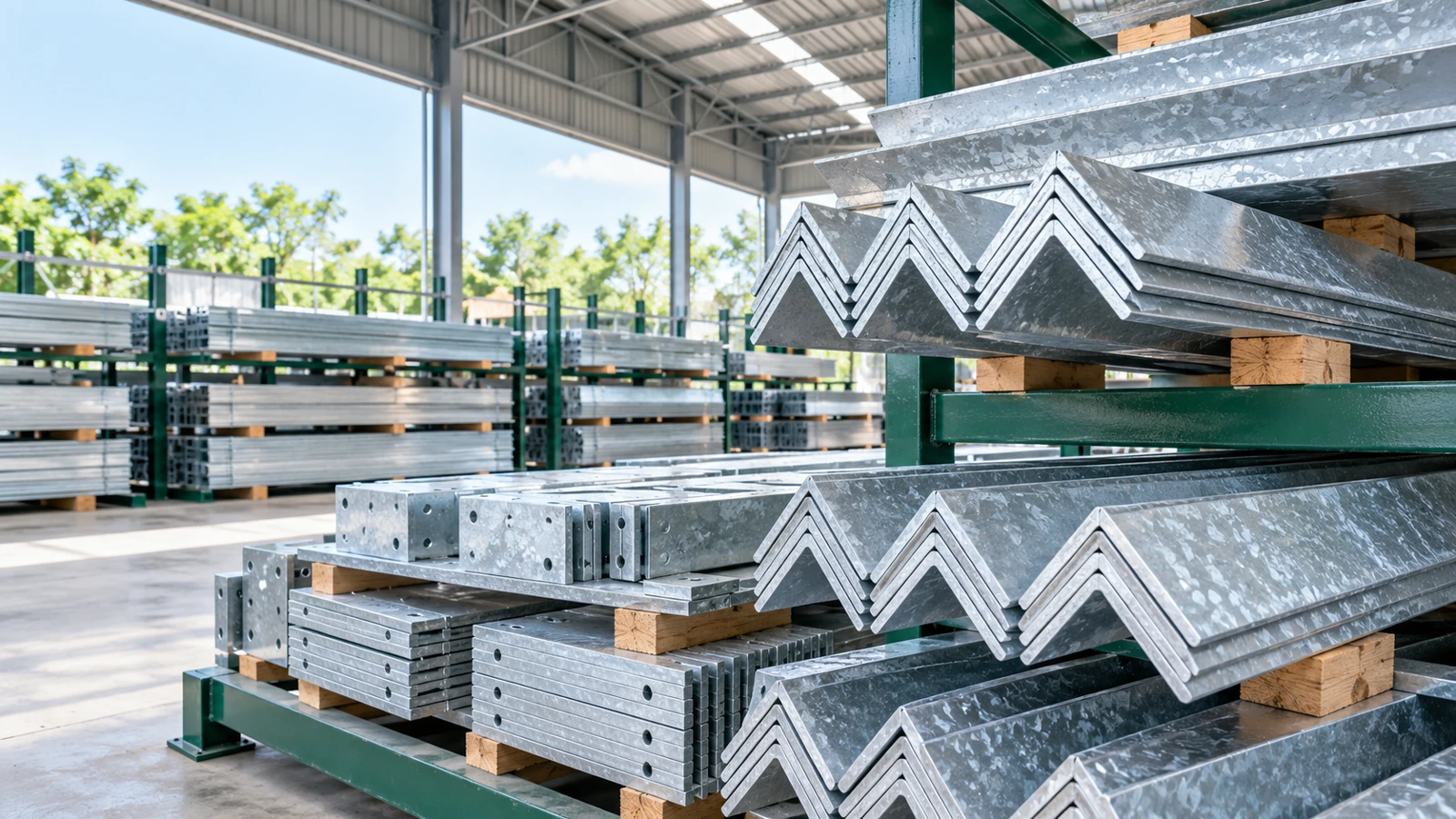
Prepared on 28 October 2026. AI-generated BVM illustration; not an actual delivery photograph.