From connection plates to machine bases and industrial structures, hot-rolled steel plate is a familiar fabrication material. A suitable choice starts with the component's function, followed by the steel grade, dimensions and delivery condition.
BVM Steel — Reputation builds the brand. Quality creates success. Understand the material, define clear technical requirements and check deliveries consistently.
1. What is hot-rolled steel plate?
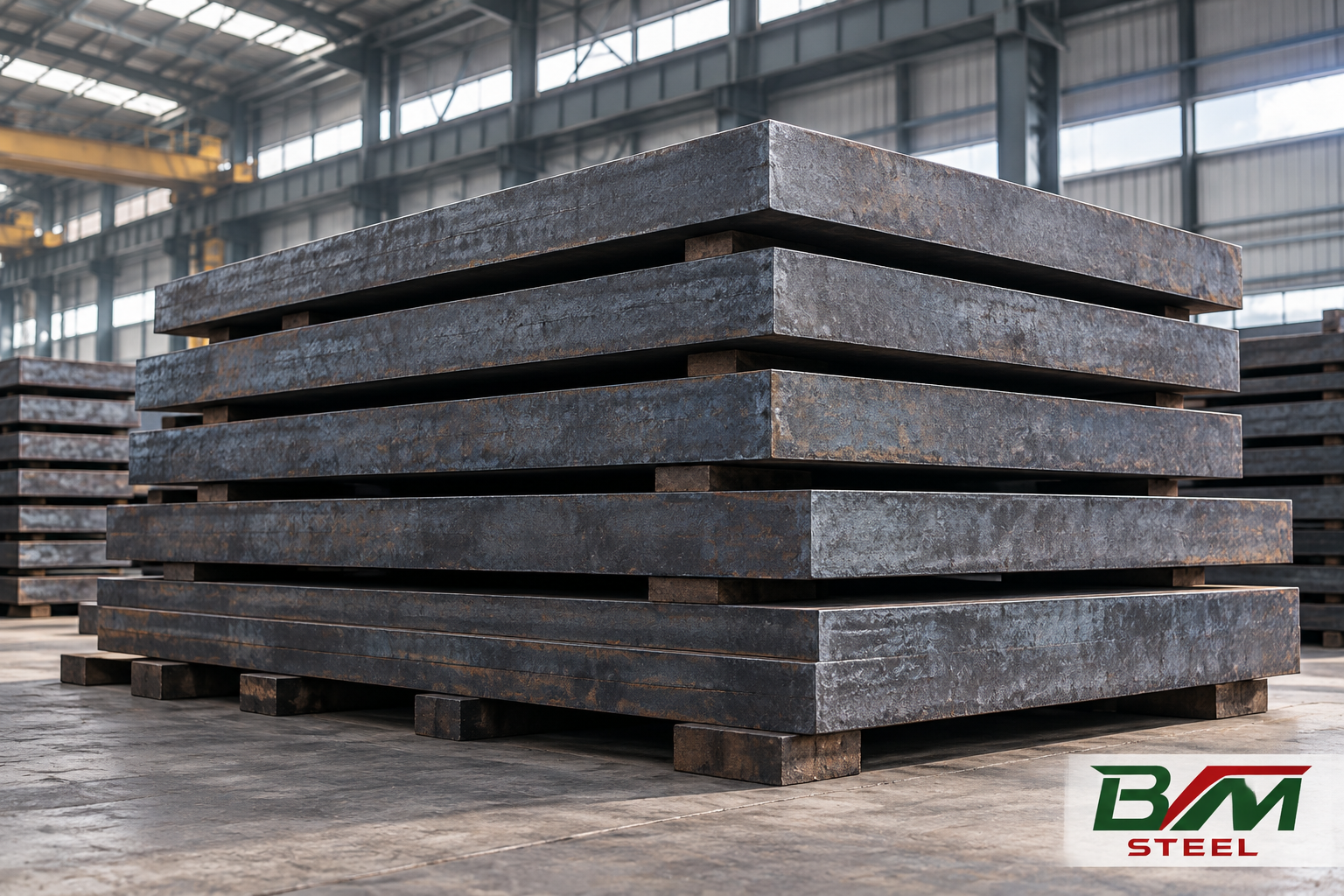
Hot-rolled steel plate is a flat steel product shaped through rolling at elevated temperature. Commercial plate may be rolled directly on a plate mill or cut to length from hot-rolled coil.
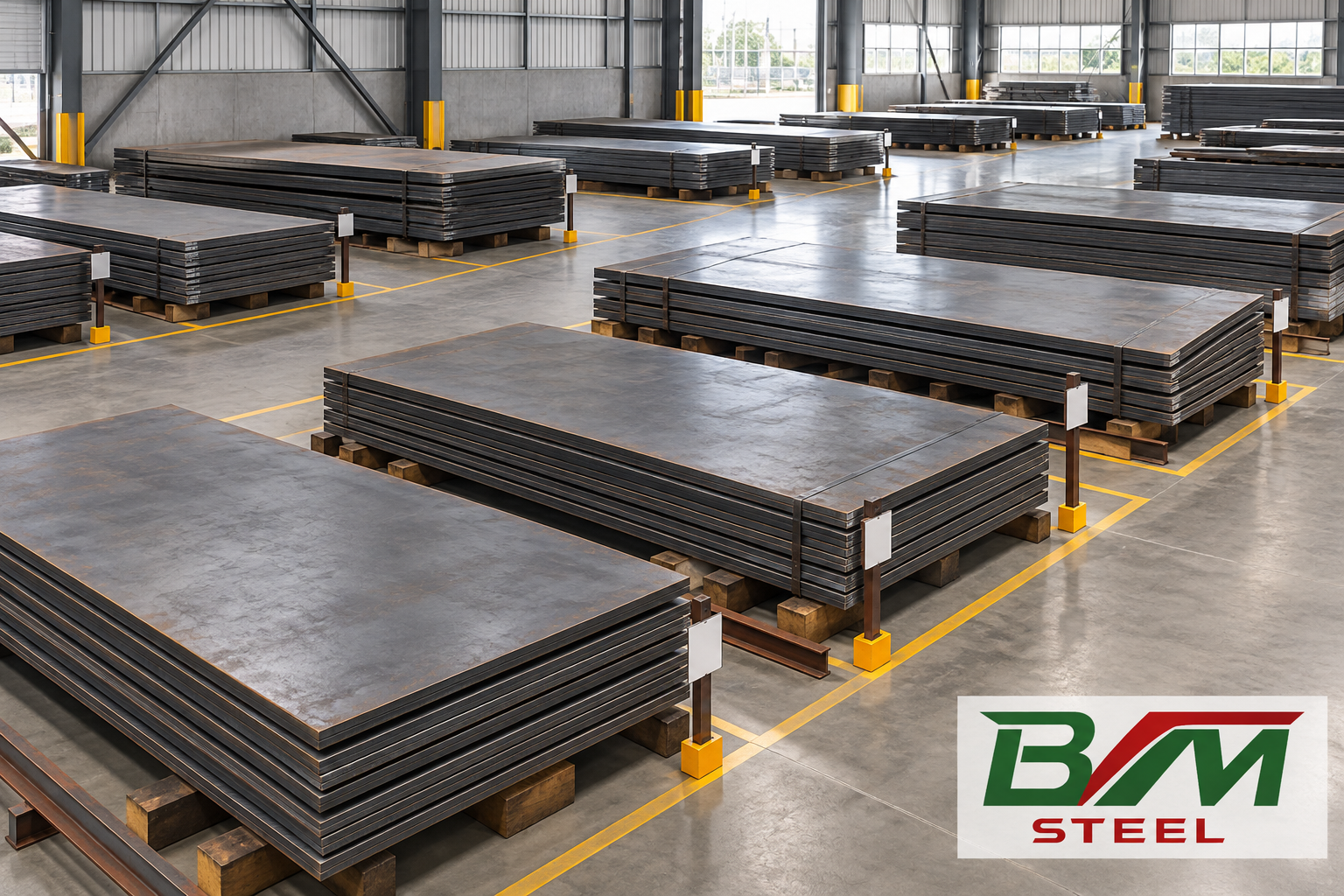
Distinguish these forms when ordering: their production routes, available dimensions and inspection requirements may differ. As-rolled surfaces often carry oxide scale with a dark gray or blue-black appearance; descaled, shot-blasted or primed products look different.
Surface color indicates appearance, not a verified grade or mechanical properties.
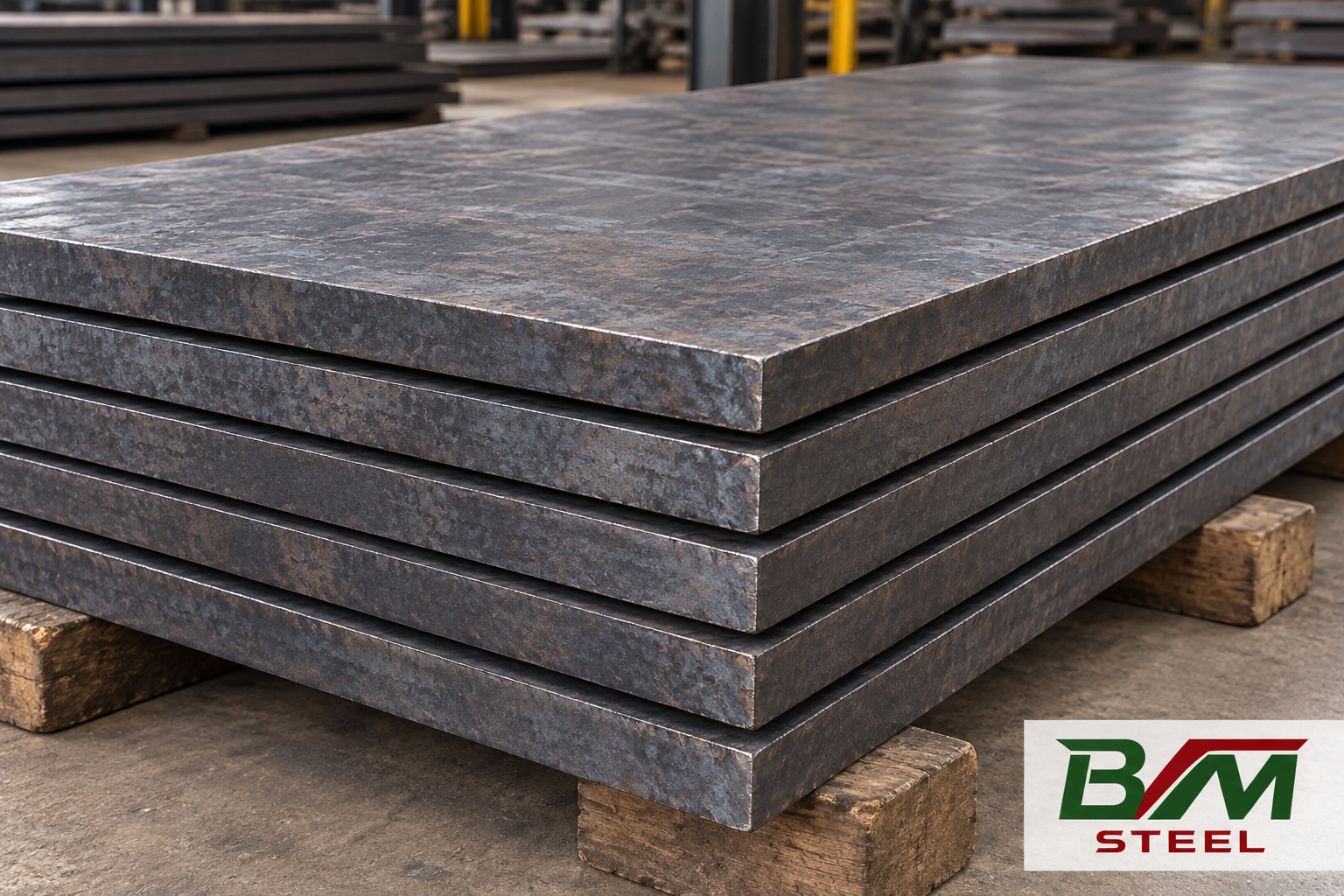
2. Characteristics to understand before use
- Flat form for component layouts: plate can be cut into connection plates, bases, stiffeners or drawing-specific blanks.
- Different material families: general structural, high-strength and specialist products have distinct requirements.
- Dimensions depend on the product source: confirm thickness, width, length and tolerances for the actual supply.
- Fabrication depends on grade: cutting, bending and welding require consideration of composition, thickness, delivery condition and the fabrication procedure.
Ordinary hot-rolled carbon steel can still rust in damp conditions. Mill scale does not replace the surface protection required for the intended environment.
3. From slab to finished plate
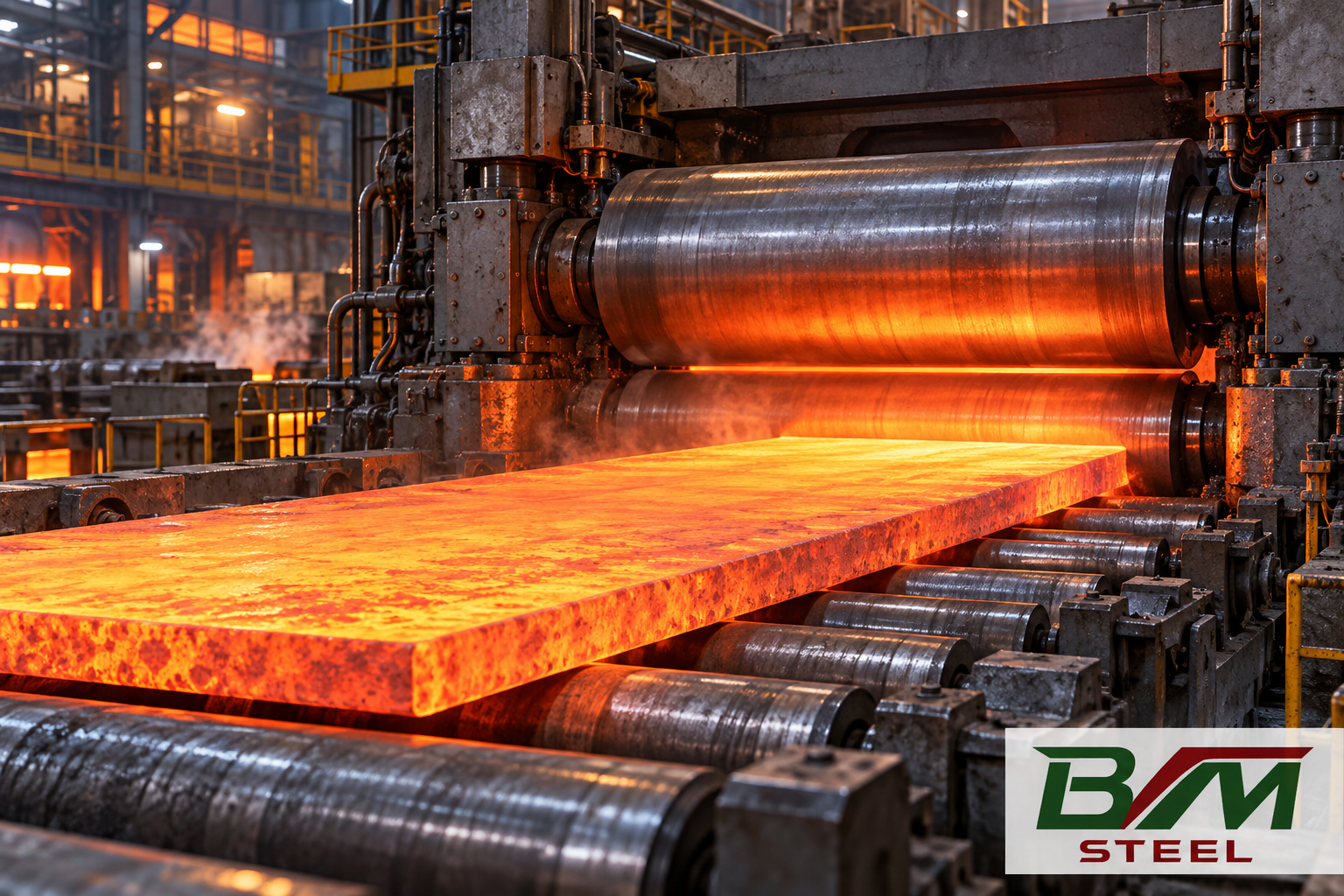
A typical plate route includes slab reheating → rolling → cooling → leveling, cutting and inspection. Depending on the product, the manufacturer may use controlled rolling, accelerated cooling or suitable heat treatment.
Delivery conditions may include as-rolled, normalized, thermomechanically rolled, or quenched and tempered, according to the specification. The label “hot-rolled steel plate” therefore does not mean every product has identical structure, hardness or weldability.
Check grade + standard + delivery condition together rather than relying on the grade name alone.
4. Grades and standards: specify them clearly
| Reference family | Common designation examples | What to establish |
|---|---|---|
| General structural | SS400 under JIS G 3101; ASTM A36 | Mechanical requirements, thickness and applicable standard |
| More demanding structural applications | SM490 under JIS G 3106; S355 within EN 10025 | Complete designation, impact toughness and delivery condition |
| Pressure-vessel plate | ASTM A516 Grade 70 | Equipment specification and specialist acceptance requirements |
| Abrasion-resistant plate | Manufacturer-specific specialist products | Hardness, performance and product fabrication guidance |
This table introduces material families; it is not an equivalence table or a confirmation of BVM inventory. Do not substitute SS400, A36 or an S355 grade simply by comparing names. Check design requirements, standard edition, delivery condition and the specific batch certificate.
5. Structural and fabrication applications
Steel plate is widely used in structures, bridges, ships and industrial machinery. Component-level examples include:
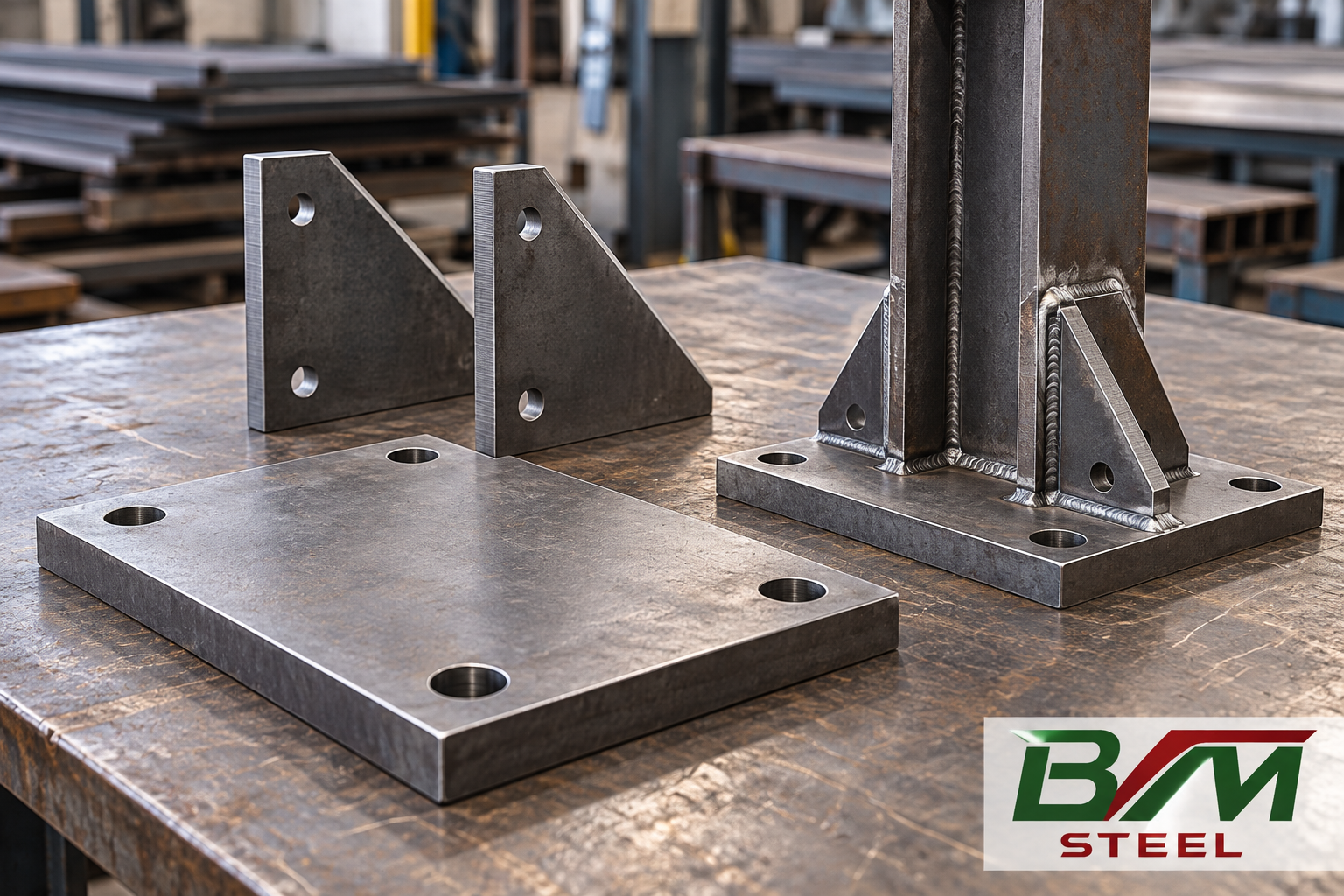
- Connection plates, base plates and stiffeners: select to the drawing and connection requirements.
- Machine bases, equipment frames and machining blanks: consider flatness, allowances and the effects of cutting.
- Bent or welded parts: agree the grade, material condition and fabricator's process.
- Pressure or abrasive service: use the appropriate specialist material specified for the equipment.
These examples guide initial discussions. Material decisions for load-bearing parts and specialist equipment must follow the design documentation.
6. Receiving inspection for plate
- Identify the batch: compare labels, markings, grade, heat number and material test certificate (MTC).
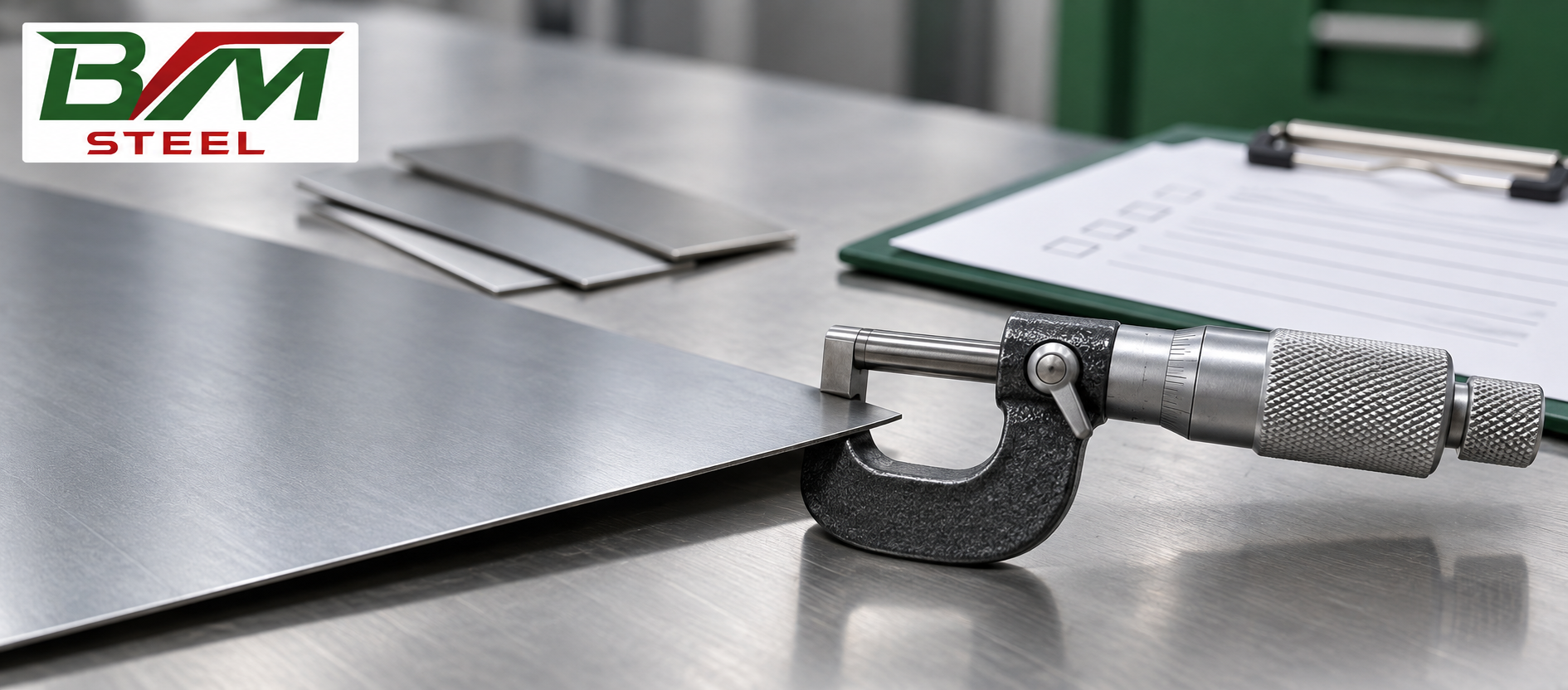
- Measure dimensions: check thickness, width, length and agreed tolerances.
- Check shape: flatness, squareness and edge condition against the order.
- Inspect the surface: record rust, scale, pits, scratches and areas requiring clarification.
- Check additional requirements: mechanical properties, chemistry, impact testing or ultrasonic inspection where specified.
Visual inspection does not replace required certificates and tests. When splitting a plate into blanks, retain the link to its batch identity for traceability.
7. Storage and preparation for fabrication
Store plates in a dry, covered area on suitable supports. Keep batches clearly separated for counting and traceability. After transport, check for trapped water or damaged protection.
Before painting, coating or welding, prepare the surface according to the next process. Do not assume that primer suits every service environment or that all mill scale can remain before finishing.
Discuss cutting, surface treatment and retention of batch identity in the order requirements from the outset.
8. Send your technical requirements to BVM Steel
Please provide application, drawings where available, grade and standard, delivery condition, thickness × width × length, quantity, tolerance requirements, certificates and delivery schedule. For cut components, include the cutting layout and edge requirements.
BACH VIET STEEL CO., LTD. — BVM Steel
- Phone: 0904 631 626 / +84 904 631 626
- Email: info@bachvietsteel.com
- Address: B-TT3-2, Him Lam Van Phuc Residential Area, Ha Dong Ward, Hanoi, Vietnam.
- Website: bachvietsteel.com
Read more: Cold-rolled steel · Engineering steel
References
Independently edited by BVM, with the topic informed by Nam Viet Steel and technical information checked against JFE Steel — Steel Plate, Nippon Steel — Steel Plate, SSAB — plate tolerances and delivery information, SSAB — A516 Grade 70 and SSAB — abrasion-resistant plate.
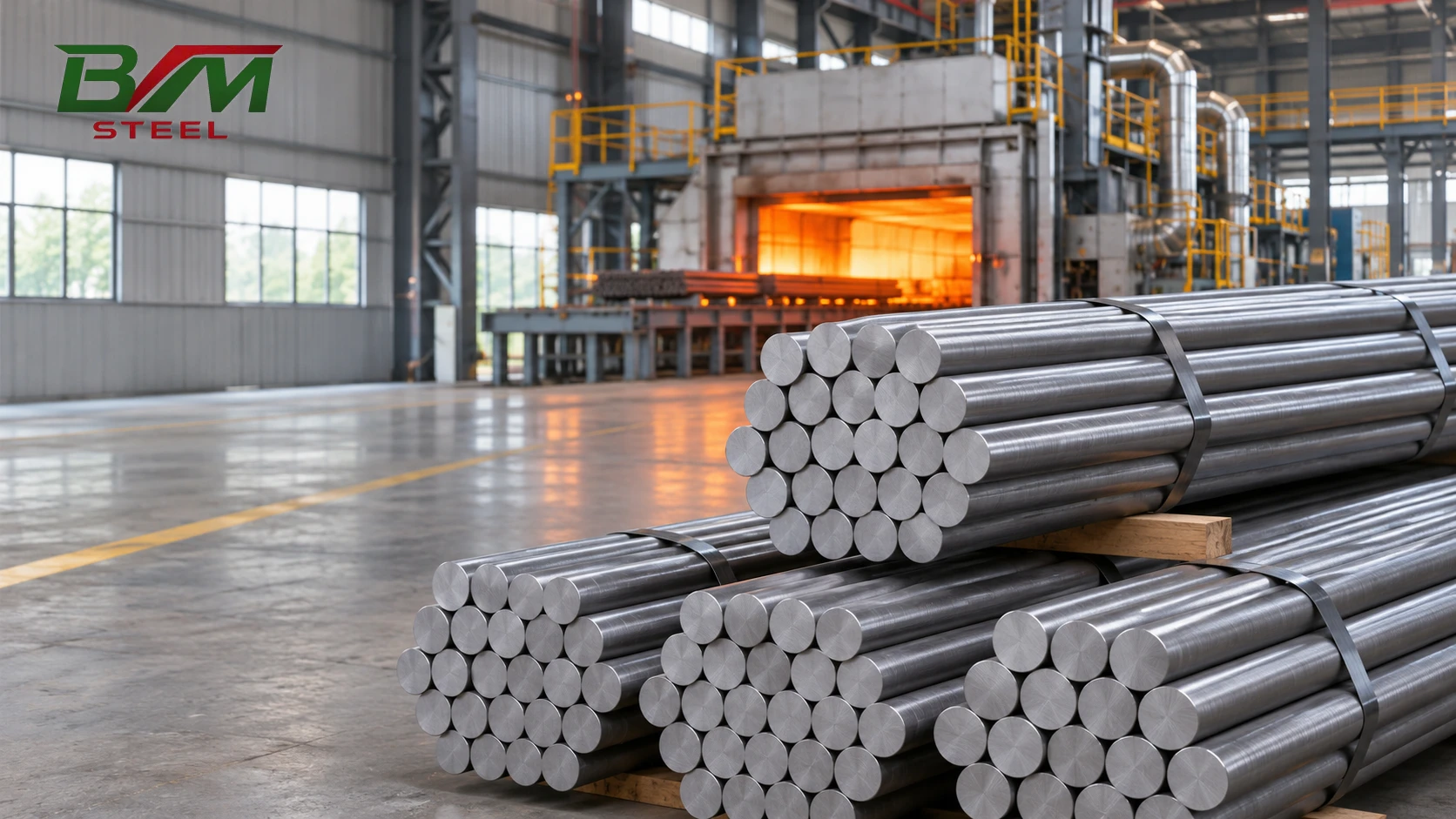
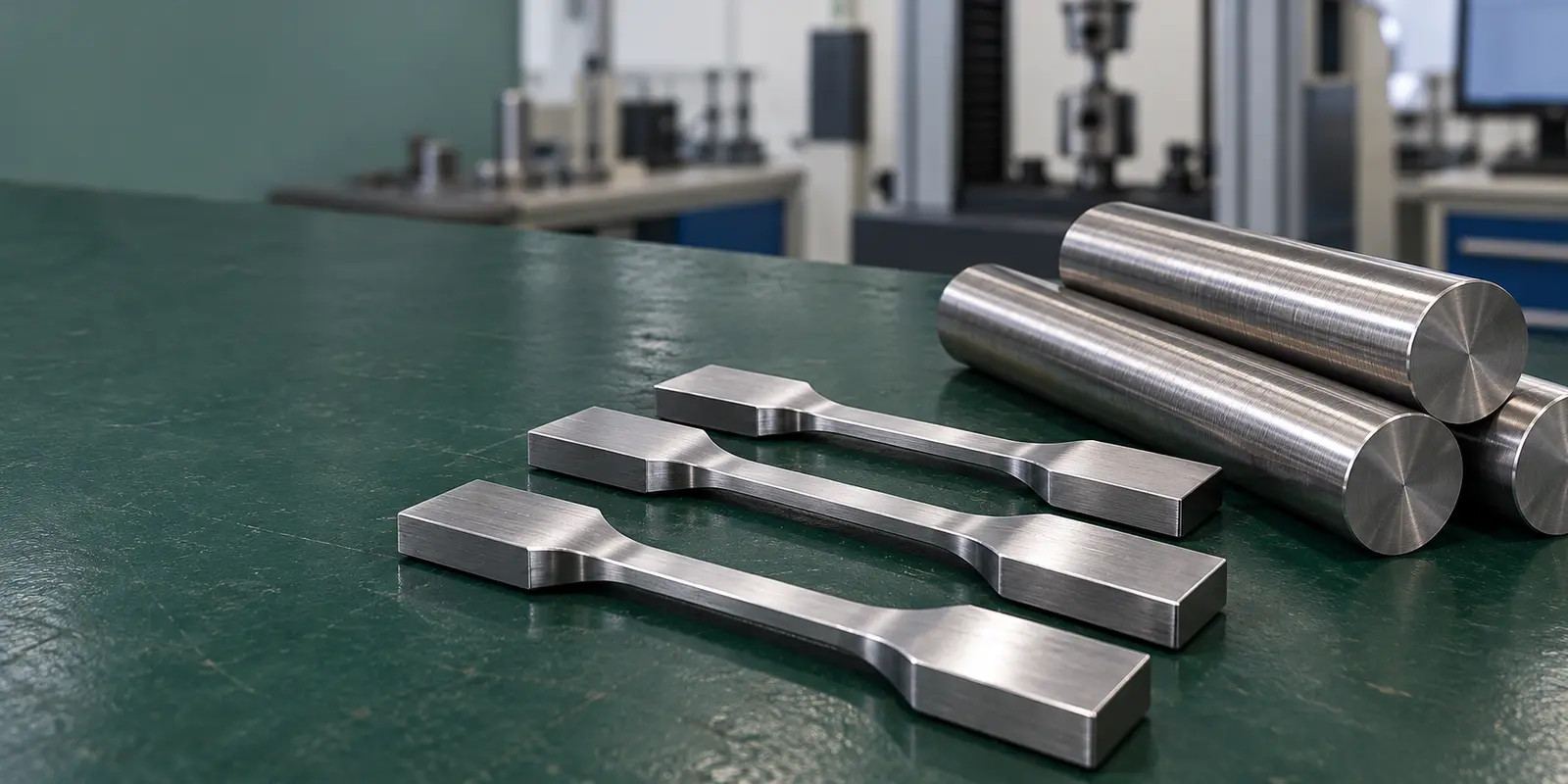
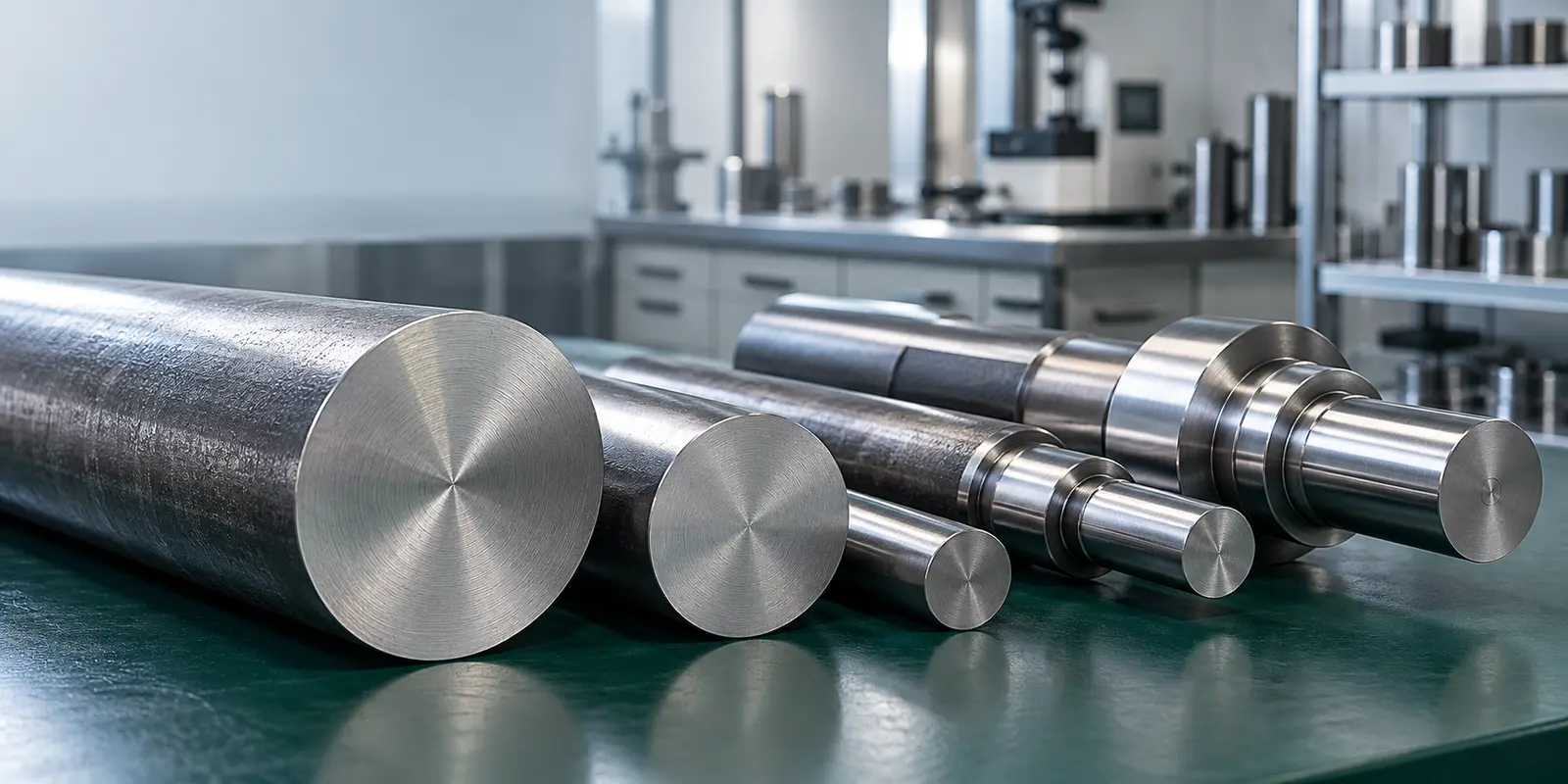
BVM's AI illustrations explain material forms, processes and applications. They do not verify BVM facilities, stock or actual measurement results.