No single steel grade suits every component. S20C, S45C, SCM420H, SCM440 and SUJ2 must be selected against service conditions, manufacturing processes and the required heat treatment.
Specify the grade, standard, supply condition, dimensions and inspection requirements together. Diameter and purchase price alone do not define a suitable material.
1. What is engineering steel?
Engineering steel is a general term for steels used to manufacture machinery and mechanical components such as shafts, gears, pins, bolts, rollers and bearings. Depending on the application, it may include carbon, alloy, case-hardening, quenched and tempered, bearing or spring steels.
Appearance alone does not establish material performance. Two bars of the same diameter can differ in composition, hardenability, machinability and properties after heat treatment.
2. Five properties to assess
- Strength: meet the design requirements for tensile, compressive and torsional loading, considering both tensile and yield strength.
- Hardness and wear resistance: important for gear teeth, pins, rollers and bearing contact surfaces.
- Toughness: supports resistance to impact; high hardness does not automatically provide good resistance to cracking.
- Heat-treatment response: suit the specified annealing, normalizing, quenching and tempering, carburizing or induction hardening.
- Machinability and formability: support turning, milling, drilling, grinding, forging, cold drawing or cold heading.
Final properties depend on the grade, component dimensions, supply condition and processing route.
3. Common engineering-steel groups
| Material group | Example grades | Application direction |
|---|---|---|
| Carbon steel | S20C, S25C, S35C, S45C, S50C, S55C | Shafts, pins and mechanical parts subject to design requirements |
| Cr-Mo alloy steel | SCM420/SCM420H, SCM435, SCM440 | Transmission parts, shafts and bolts requiring heat treatment |
| Bearing steel | SUJ2 | Balls, rollers, bearing rings and parts under repeated contact loading |
Carbon steels: S20C to S55C
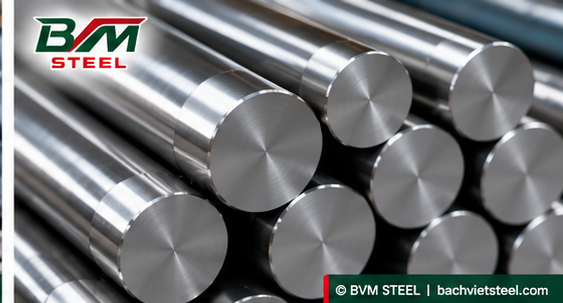
S20C and S25C have relatively low carbon content and may be considered where suitable formability is needed. S45C is a familiar medium-carbon grade for shafts, pins and machine components. S50C and S55C contain more carbon and can achieve higher hardness after suitable treatment.
Finished hardness must be checked against the standard, section size and heat-treatment process, rather than inferred from the grade name.
Alloy steels: SCM420/SCM420H, SCM435, SCM440
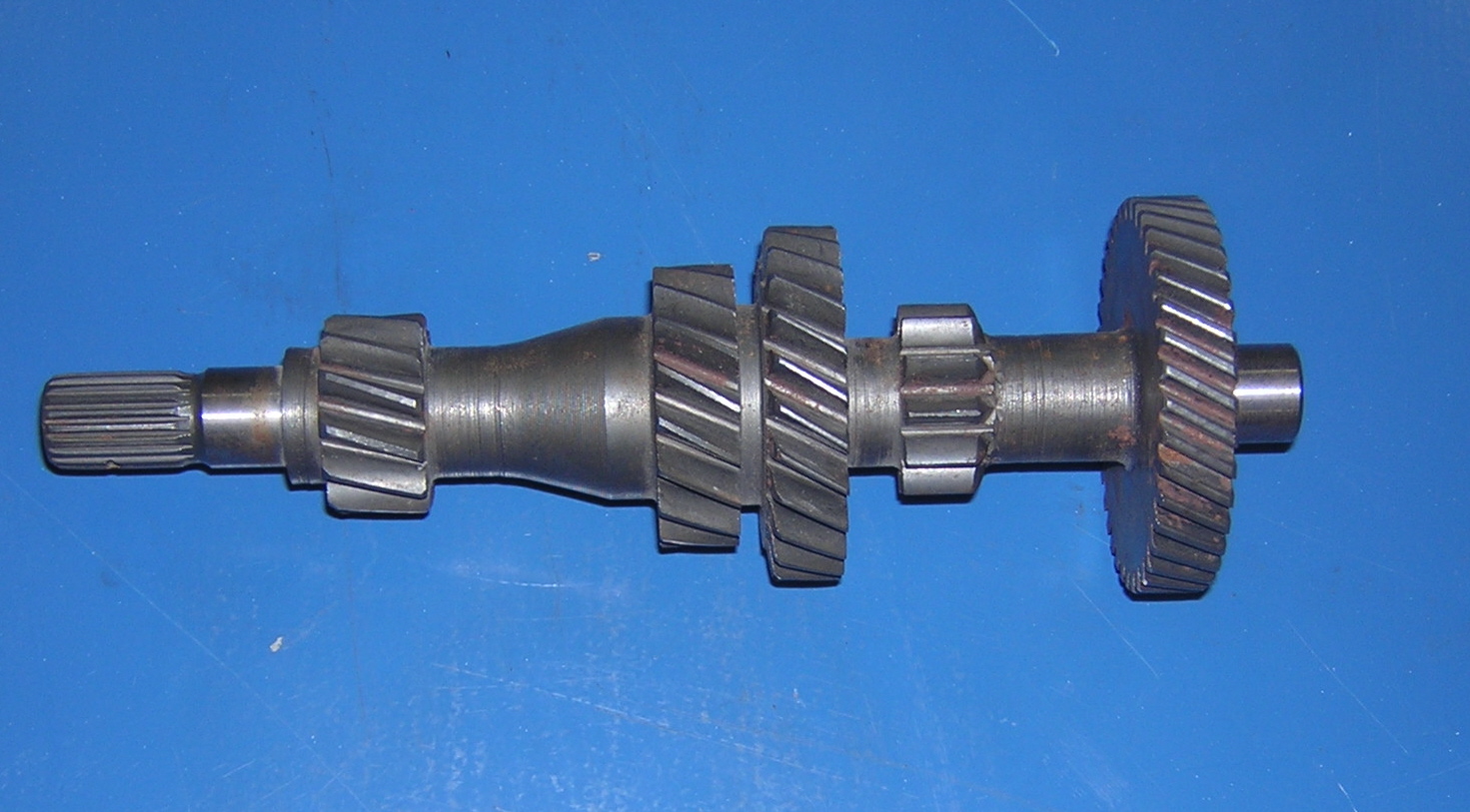
SCM420 and SCM420H are often considered for carburized parts requiring a hard, wear-resistant surface and a suitably tough core. SCM435 and SCM440 are often used for shafts, bolts and loaded components with specified quenching and tempering.
The suffix H relates to specified hardenability: the ability to develop a hardened structure through depth under defined conditions. It differs from hardness at a single location. Controlling hardenability helps maintain consistent heat-treatment response between material batches.
Bearing steel: SUJ2
SUJ2 is a high-carbon chromium bearing steel in the JIS system. Balls, rollers and bearing rings require attention to steel cleanliness, microstructure, defects and inspection requirements as well as composition and hardness.
4. Applications in industrial manufacturing
- Automotive and motorcycles: gears, shafts, transmission parts, bolts and forged components.
- Machine building: machine shafts, bushings, pins, rollers and drive assemblies.
- Bolts and fasteners: select against the strength class, forming process and heat-treatment requirements. Cold heading also calls for suitable surface quality, cleanliness and formability.
- Bearings and wear-resistant parts: specify material quality, mechanical properties and inspections to match the product standard.
5. Product forms and supply conditions
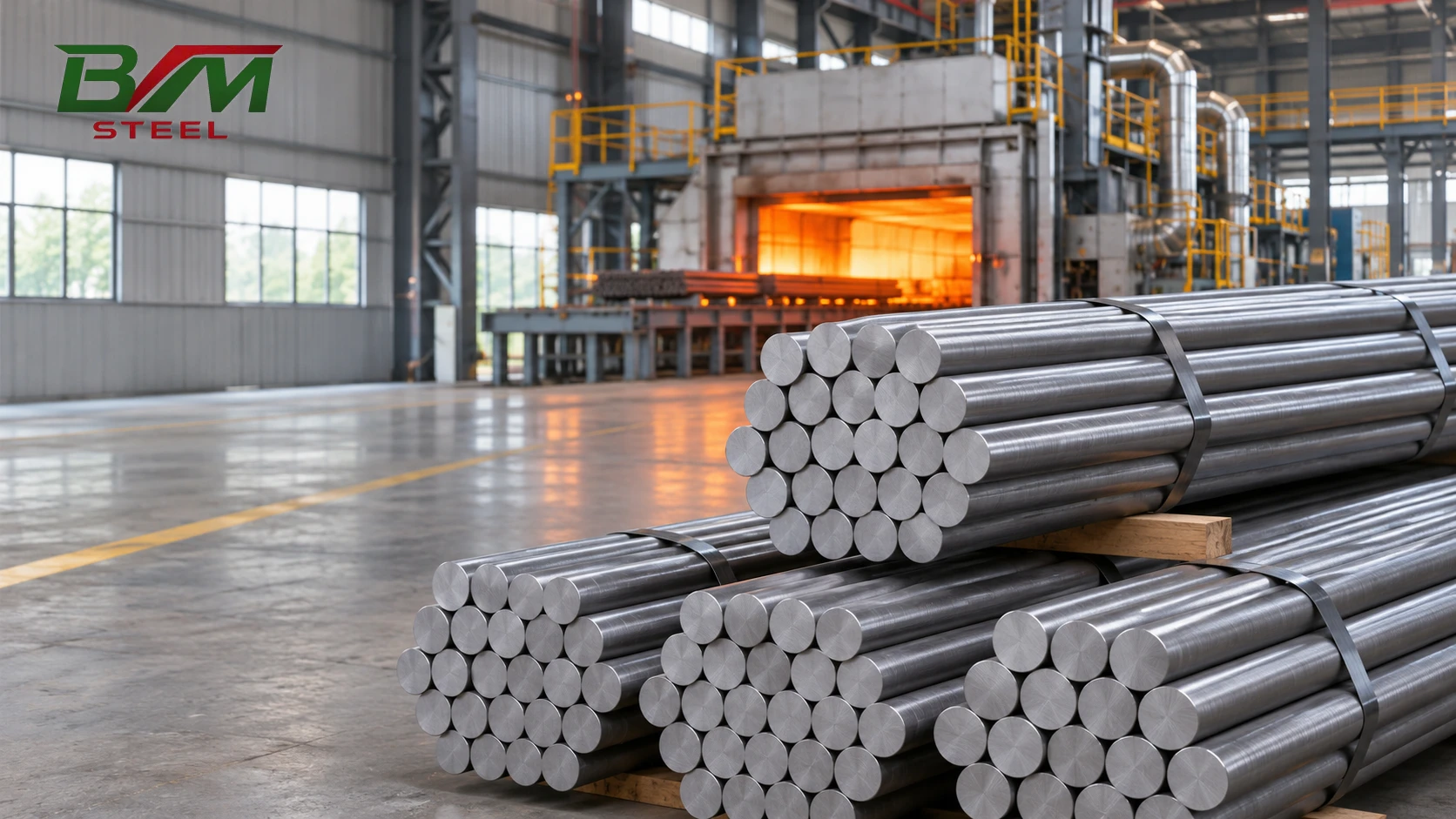
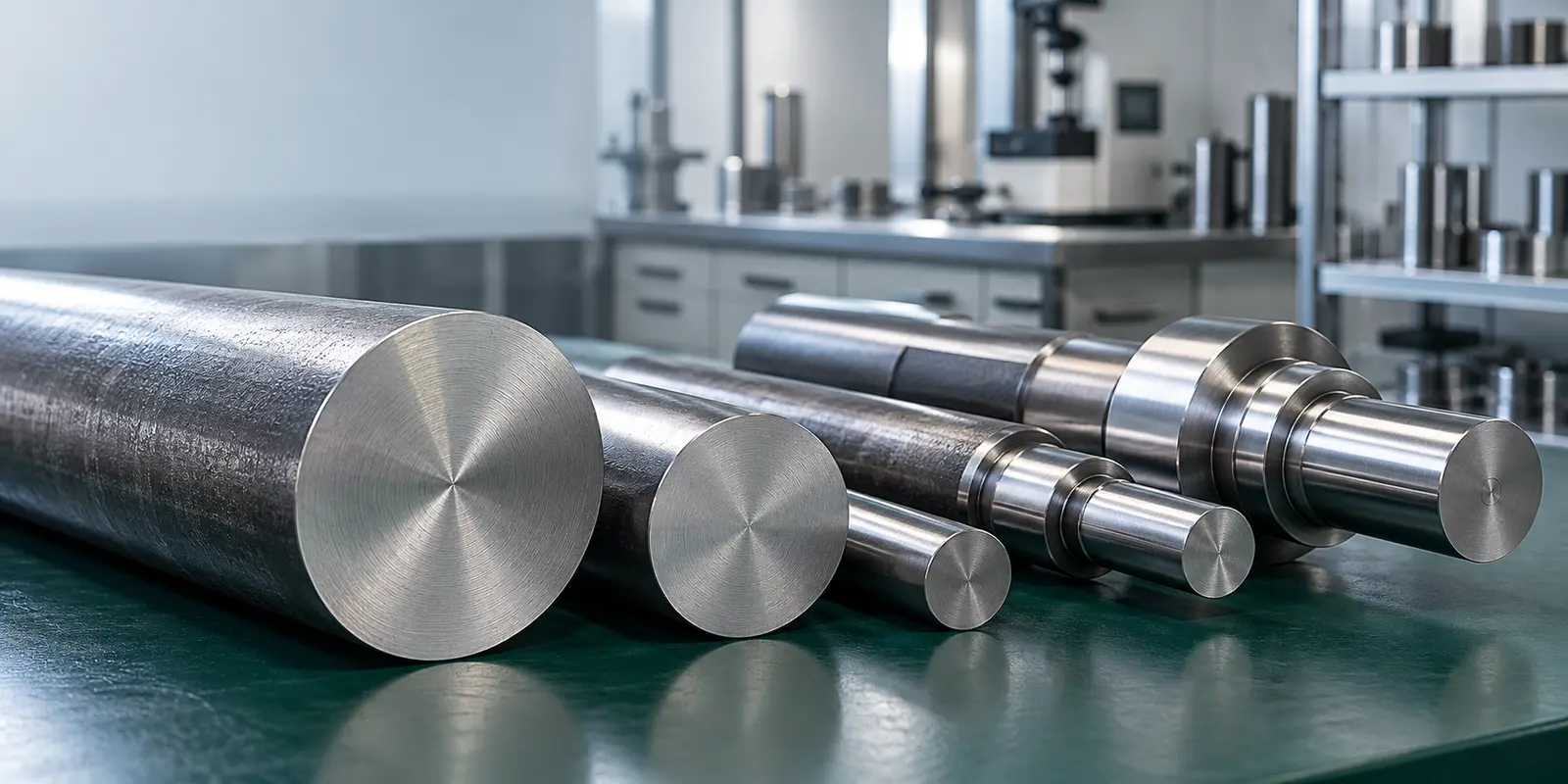
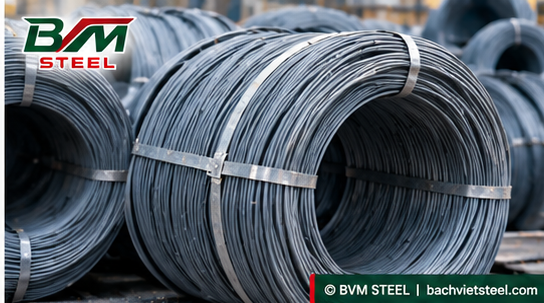
Engineering steel may be supplied as hot-rolled round bar, wire rod, cold-drawn bar or wire, peeled bar and ground bar. Select each form together with suitable tolerances, surface quality and heat-treatment condition.
For example, these routes place different demands on the raw material:
- Wire rod → surface treatment → cold drawing → annealing → cold heading.
- Steel bar → blank cutting → CNC turning → heat treatment → grinding.
Plate and sections describe product forms, rather than a material category. Confirm the grade and standard before classifying or substituting them for engineering steel.
6. Standards and material certificates
Common systems include JIS, SAE/AISI, ASTM, EN/DIN, GB and KS. Similar chemistry does not automatically make grades from different systems interchangeable.
When comparing materials, check:
- Grade, applicable standard and chemical composition.
- Mechanical properties, specified hardenability and supply condition.
- Dimensions, tolerances, surface quality and heat-treatment conditions.
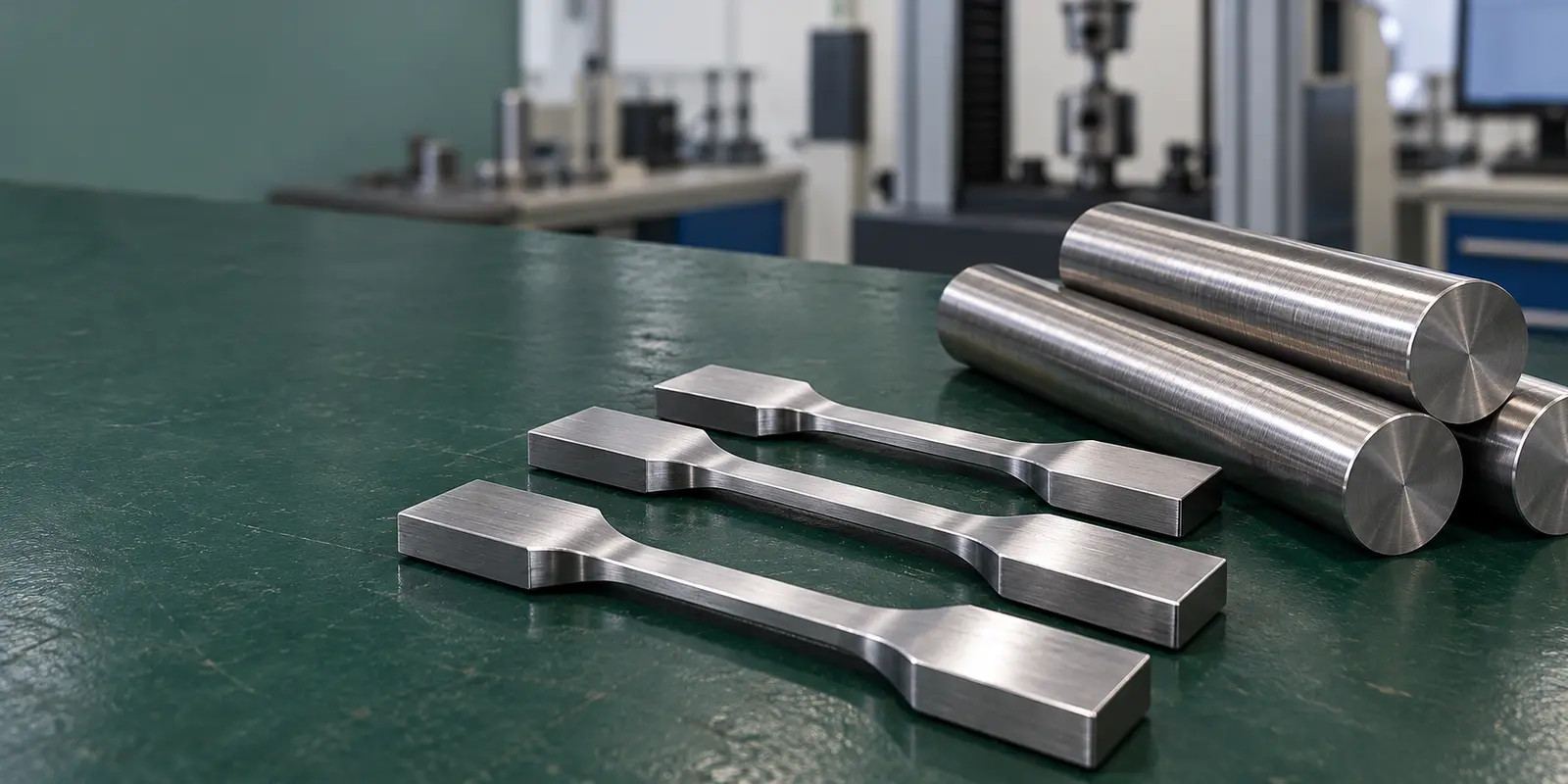
- The Mill Test Certificate (MTC), batch/heat identification and the drawing or customer specification.
7. Six steps for selecting a grade
- Identify the component: gear, shaft, pin, bolt, bearing or another product.
- Define service loads: tensile, compressive, torsional, impact, wear and cyclic loading.
- Define manufacturing: forging, cold heading, cold drawing, CNC machining or grinding.
- Specify heat treatment: annealing, quenching and tempering, carburizing or induction hardening, including required properties.
- Confirm the specification: grade, standard, supply condition, dimensions, tolerances and surface requirements.
- Verify before production: check the MTC, material identification and the order's technical requirements.
8. Assess total cost, beyond purchase price
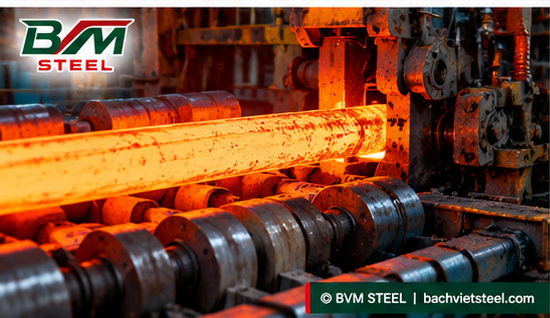
Raw material price is one part of manufacturing cost. Unsuitable material can increase tool consumption, cause forming cracks or heat-treatment distortion, and lead to rejects or production interruptions.
An effective selection balances quality, machinability, batch consistency, delivery timing and the cost of achieving the component requirements.
9. Discuss material requirements with BVM Steel
BVM Steel aims to supply industrial steel to manufacturers and foreign-invested businesses in Vietnam, including carbon steel, alloy steel, engineering round bar, wire rod and materials for cold heading.
For a supply discussion, prepare the drawing or specification, steel grade, standard, supply condition, dimensions, volume and delivery schedule. Complete information supports technical comparison and appropriate material selection.
Contact BVM Steel through the website
Product-group reference: JFE Steel — Steel Bars and Wire Rods. Article images illustrate product forms and applications.
Gear-shaft photograph: Frobles — Wikimedia Commons, CC BY-SA 2.5 license.