In industrial purchasing, “steel wire” may refer to hot-rolled wire rod coils or to wire that has already been drawn and surface-treated. Defining the product early makes quotation, acceptance and production discussions clearer.
Matching diameters do not establish matching materials. State the application, grade and supply condition together.
1. Steel wire, wire rod and drawn wire
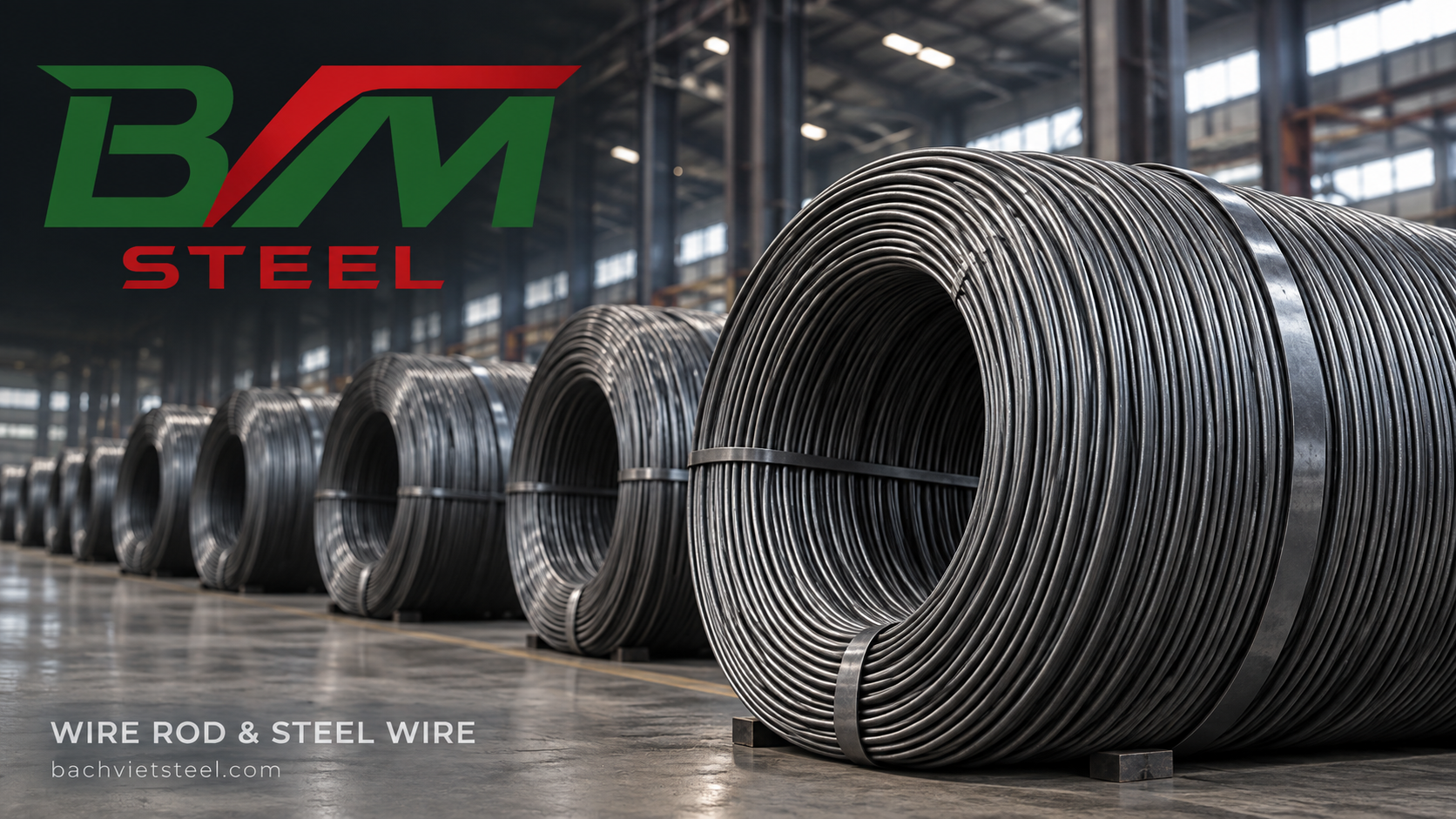
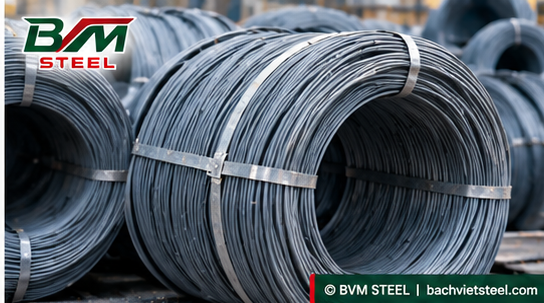
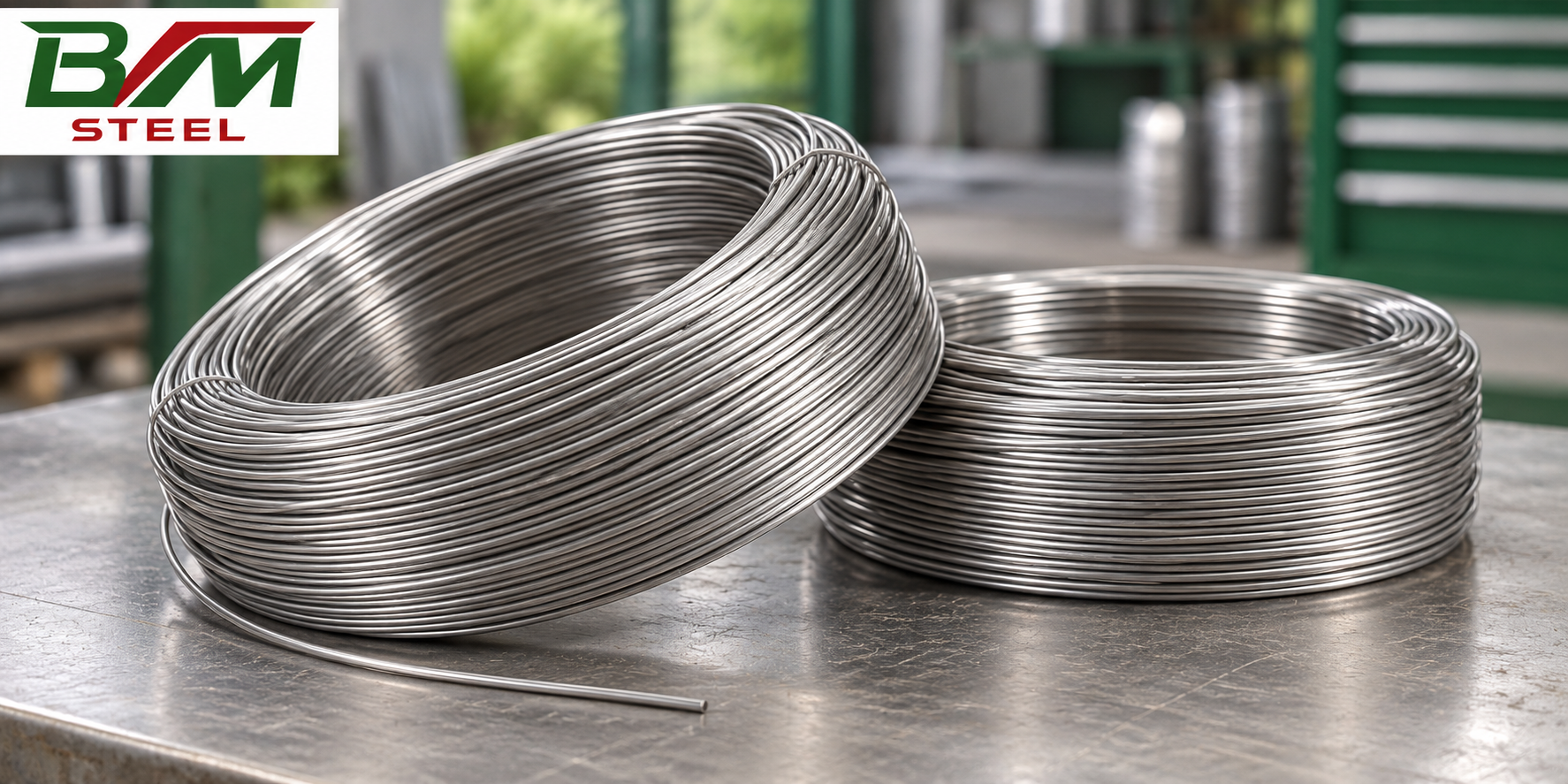
Wire rod is a long steel product hot-rolled and collected into coils, commonly supplied as input for downstream wire processing. Cold-drawn wire is drawn through dies to meet the required dimensions and condition. Further heat treatment, surface finishing or forming may follow, depending on the route.
An enquiry should distinguish wire rod feedstock from processed wire. The phrase “steel wire coil” alone can leave surface condition, tolerances and processing level unclear.
Available diameters depend on the mill and product range. Although 5.5 mm appears in many wire rod catalogues, it is not a universal minimum: smaller-diameter wire rod products also exist.
2. Three separate ways to classify the product
Commercial descriptions often overlap. One product may be low-carbon, cold-drawn and zinc-coated at the same time. Separate the material family, processing route and surface condition in the purchase description.
| Basis | Common descriptions | Clarify before ordering |
|---|---|---|
| Material family | Low-carbon, high-carbon, alloy | Grade, standard and end-product requirements |
| Processing | Hot-rolled, drawn, heat-treated | Manufacturing route and delivery condition |
| Surface | Black, descaled, surface-coated, galvanized | Service environment and coating requirements |
Descriptions such as “bright wire” or “soft wire” should be accompanied by measurable technical requirements.
3. Start with the finished product
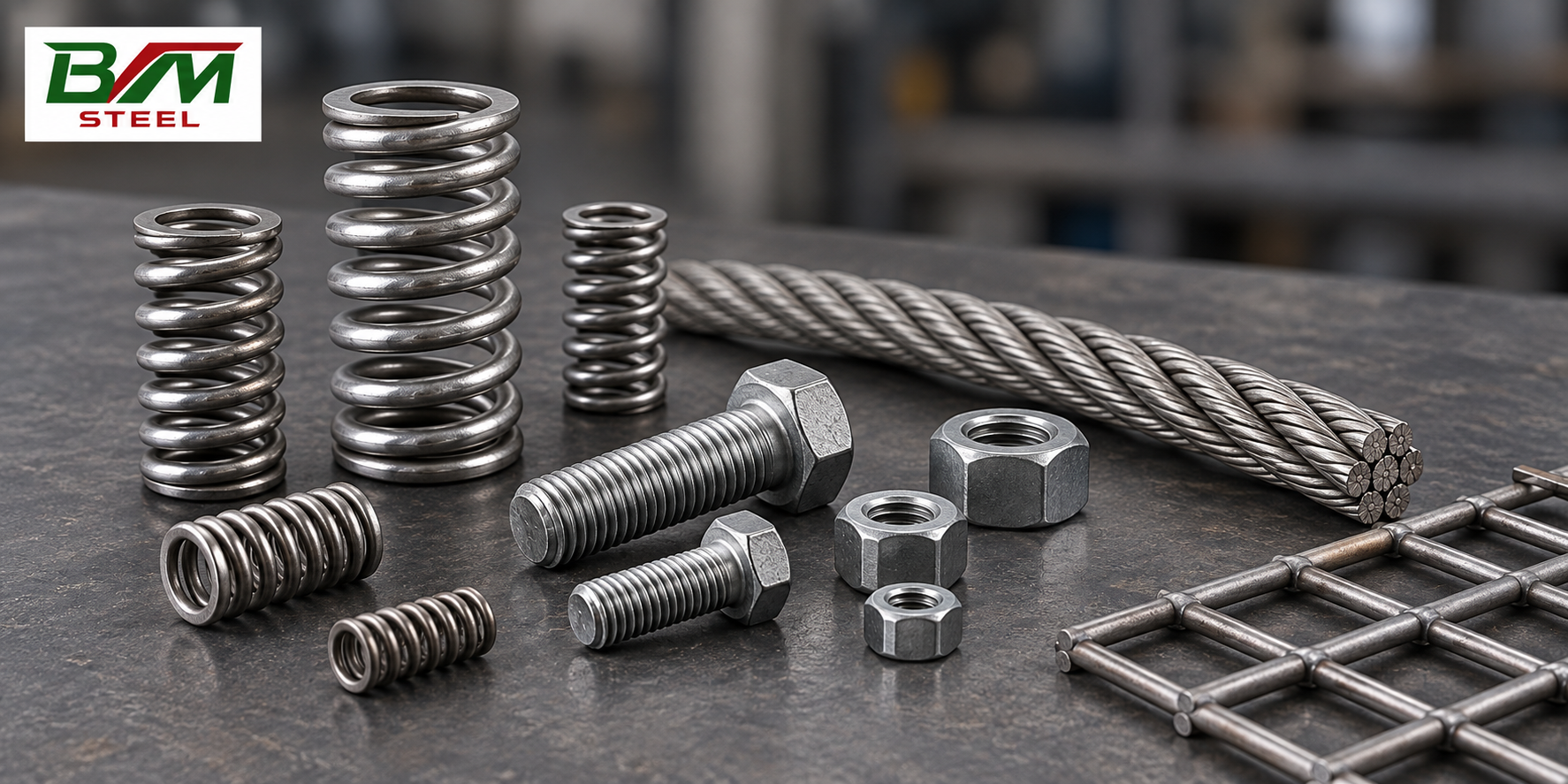
- Nails, tying wire and mesh: assess formability, dimensions and surfaces against the process.
- Bolts, screws and cold-headed parts: specify requirements for heading, thread rolling and component properties.
- Springs, ropes and loaded wire: establish the finished-product criteria and processing route; diameter alone is insufficient.
- Welding wire: follow the requirements of the welding consumable, rather than treating all steel wire as interchangeable.
For cold-heading feedstock, communicate the finished strength class and processing operations. A material suitable for tying wire may not suit a loaded bolt.
4. From feedstock coil to finished wire
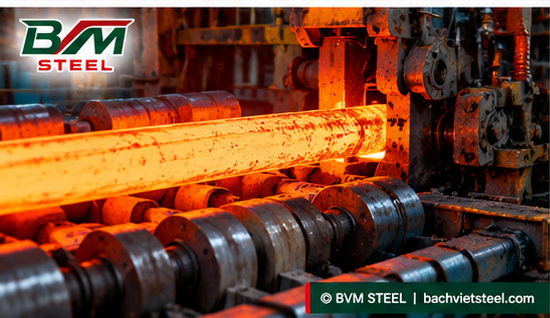
A basic route may comprise billet → rolling → cooling → coiling. Subsequent processing may include surface preparation → wire drawing → heat treatment → forming or finishing.
This is a general outline, rather than a mandatory sequence for all wire products. Drawing stages, annealing steps and surface treatment must match the material, equipment and end-product requirements.
When changing feedstock sources, consider a trial on the intended production line and record process consistency before wider use.
5. Grade designations and standards
Within JIS, SWRM identifies a mild wire rod family, SWRH a high-carbon wire rod family and SWRCH carbon wire rod for cold heading. These families serve different uses; verify the complete designation and applicable product standard.
Compare mill documentation and material certificates with the purchase specification. Do not remove grade suffixes, assume similar designations are equivalent or infer finished-wire properties from the feedstock name alone.
Where a contract references a standard, specify the applicable edition and agreed supplementary requirements.
6. What to check on receipt
- Identification: coil labels, batch/heat numbers and the MTC match the order.
- Dimensions: nominal diameter, tolerances, specified ovality and coil dimensions.
- Surface: rust, scratches, scale or coating condition, checked against agreed acceptance limits.
- Performance: required tests and properties under the standard or customer specification.
- Packaging: coil weight, ties, protection and compatibility with feeding equipment.
The MTC supports identification and material comparison. End-product requirements may call for further evaluation against the actual processing route.
7. Information for a quotation request
- End product: nails, mesh, bolts, springs, ropes or another application.
- Product form: wire rod or drawn wire; required grade and standard.
- Dimensions: diameter, tolerances, coil requirements and individual coil weight.
- Condition: surface, heat treatment, coating and inspection requirements.
- Supply plan: quantity, delivery location and required timing.
Clear enquiries let buyers compare quotations on the same technical basis. For a new source, agree sample-evaluation criteria and acceptance conditions in advance.
8. Discuss supply requirements with BVM Steel
BVM Steel aims to help industrial customers define the required feedstock and discuss supply options against production needs. Customers may share drawings, specifications or documentation for the material currently in use.
Contact BVM Steel · Read about engineering steel
References
This BVM-authored selection and purchasing guide draws on Stavian’s steel-wire introduction, JFE Steel’s wire rod range and Nippon Steel material on small-diameter wire rod and cold-heading wire processing.
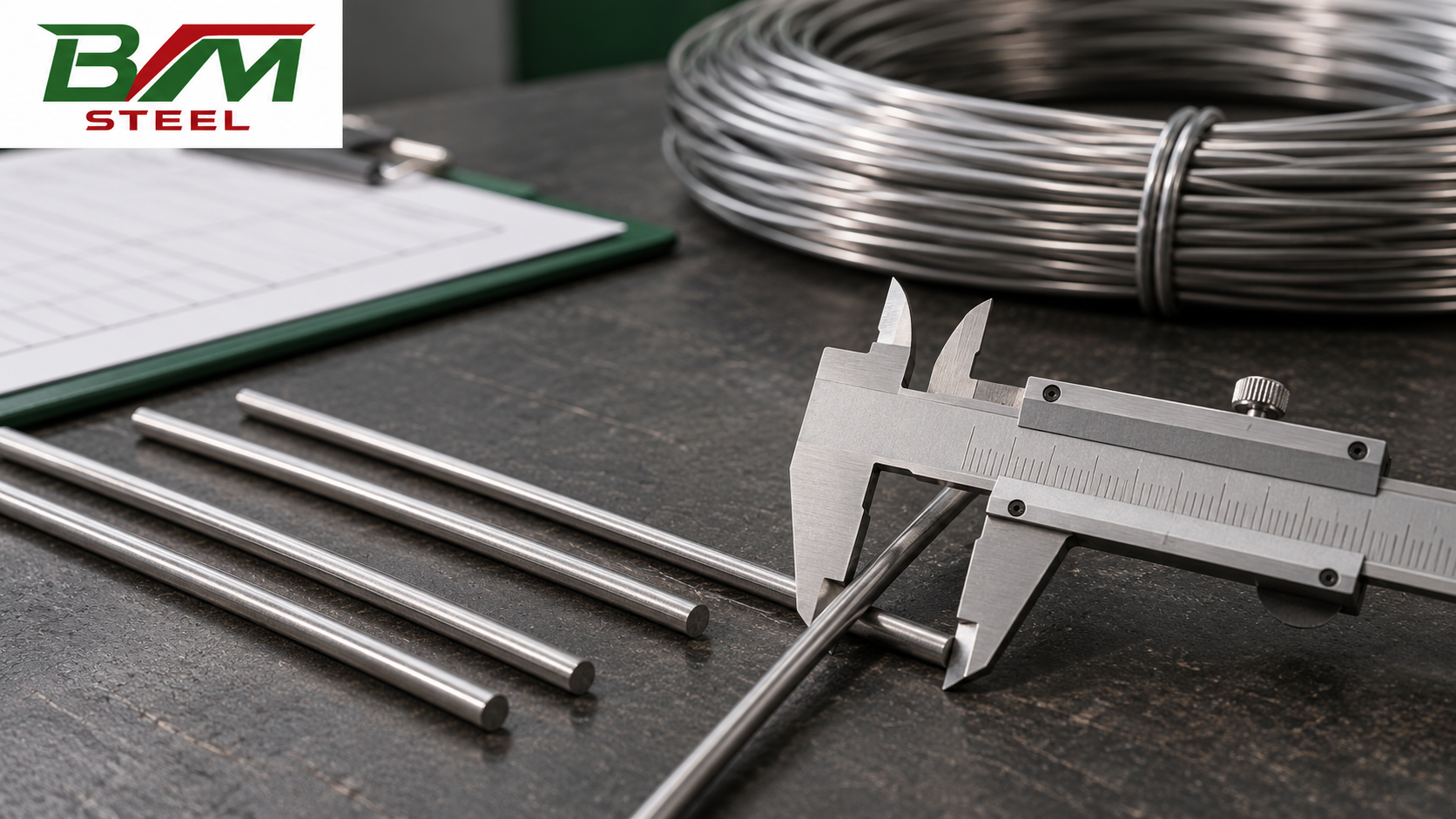
AI illustrations prepared by BVM depict product forms, applications and inspection concepts. They do not identify a grade, measured result or particular manufacturing facility.