Why does alloy steel play an important role in mechanical manufacturing?
In industrial production, material selection determines more than the strength of a component. It also directly affects machinability, heat treatment, production consistency and service life.
For components such as gears, drive shafts, high-strength bolts, pins, automotive and motorcycle parts, or heavily loaded components, ordinary carbon steel may not fully meet the requirements.
This is why alloy steel is widely used in mechanical engineering and manufacturing.
Instead of asking only “Which steel grade is cheaper?”, manufacturers need to address more important questions:
- What loads will the component experience? - Will it be subject to impact or fatigue loading? - Is heat treatment required? - Is surface hardness or strength throughout the cross-section needed? - Does the component need a hard surface and a tough core? - Will it be forged, cold headed, machined or cold drawn? - Which standard applies: JIS, SAE/AISI, ASTM, EN, GB or KS?
Answering these questions correctly provides the basis for choosing the right alloy steel.
1. What is alloy steel?
Alloy steel is steel in which one or more alloying elements are added to the basic iron–carbon composition to improve mechanical properties, heat-treatment response or performance in service.
Common elements include:
- Cr — Chromium - Mo — Molybdenum - Ni — Nickel - Mn — Manganese - Si — Silicon - V — Vanadium - W — Tungsten - B — Boron
Adding these elements can improve strength, hardness, toughness, wear resistance, response to hardening, hardenability, load-bearing capability and the consistency of properties after heat treatment.
Alloy steel is therefore not a single material, but a broad family comprising many different grades.
2. Why are alloying elements added to steel?
Each alloying element has its own role in developing the desired material properties.
Chromium — Cr
Chromium is widely used in alloy steels. It can increase hardness and wear resistance, improve hardening response and hardenability, and improve the consistency of material properties after heat treatment.
Chromium is found in steel grades such as SCr420, SCM420, SCM435, SCM440 and SUJ2.
Molybdenum — Mo
Molybdenum is often combined with chromium in Cr-Mo steels. It improves strength and toughness, supports performance after heat treatment, helps reduce temper embrittlement in certain steel systems and improves the consistency of mechanical properties in larger cross-sections.
The SCM family under JIS is a typical example of Cr-Mo steel.
Nickel — Ni
Nickel is often used where a material needs high toughness, good impact resistance, consistent mechanical properties and high strength while limiting brittleness.
It is found in higher-performance alloy steels for heavily loaded components or demanding service conditions.
Manganese — Mn
Manganese is common in steel. It can increase strength, improve hardening response, support deoxidation during steelmaking and help achieve the required properties after heat treatment.
Vanadium — V
Vanadium is often added in small amounts to refine grain size, increase strength, improve wear resistance and stabilize the material's microstructure.
3. Classification of alloy steels
There are several ways to classify alloy steels.
3.1. Classification by alloy content
In principle, alloy steels may be divided into low-alloy, medium-alloy and high-alloy steels.
In practical mechanical manufacturing, however, classification by application and alloy system is often more useful.
3.2. Classification by alloy system
Common groups include:
Chromium steels
Examples: SCr420, SCr440 and 40Cr.
These are suitable for many machine components requiring improved strength and heat-treatment response.
Chromium–molybdenum steels
Examples: SCM420, SCM420H, SCM435 and SCM440.
This is one of the most important alloy-steel families in mechanical engineering, automotive manufacturing and industrial equipment.
Nickel–chromium–molybdenum steels
These are used for components requiring higher strength and toughness, particularly under complex loading conditions.
Manganese alloy steels
These are used in a range of load-bearing applications or where specific mechanical properties are required.
4. Classification by application
For manufacturing businesses, this approach is more practical.
Case-hardening steels
Typical grades: SCM420, SCM420H, SCr420, 16MnCr5 and 20MnCr5.
These grades are commonly used for components requiring a hard surface and a tough core.
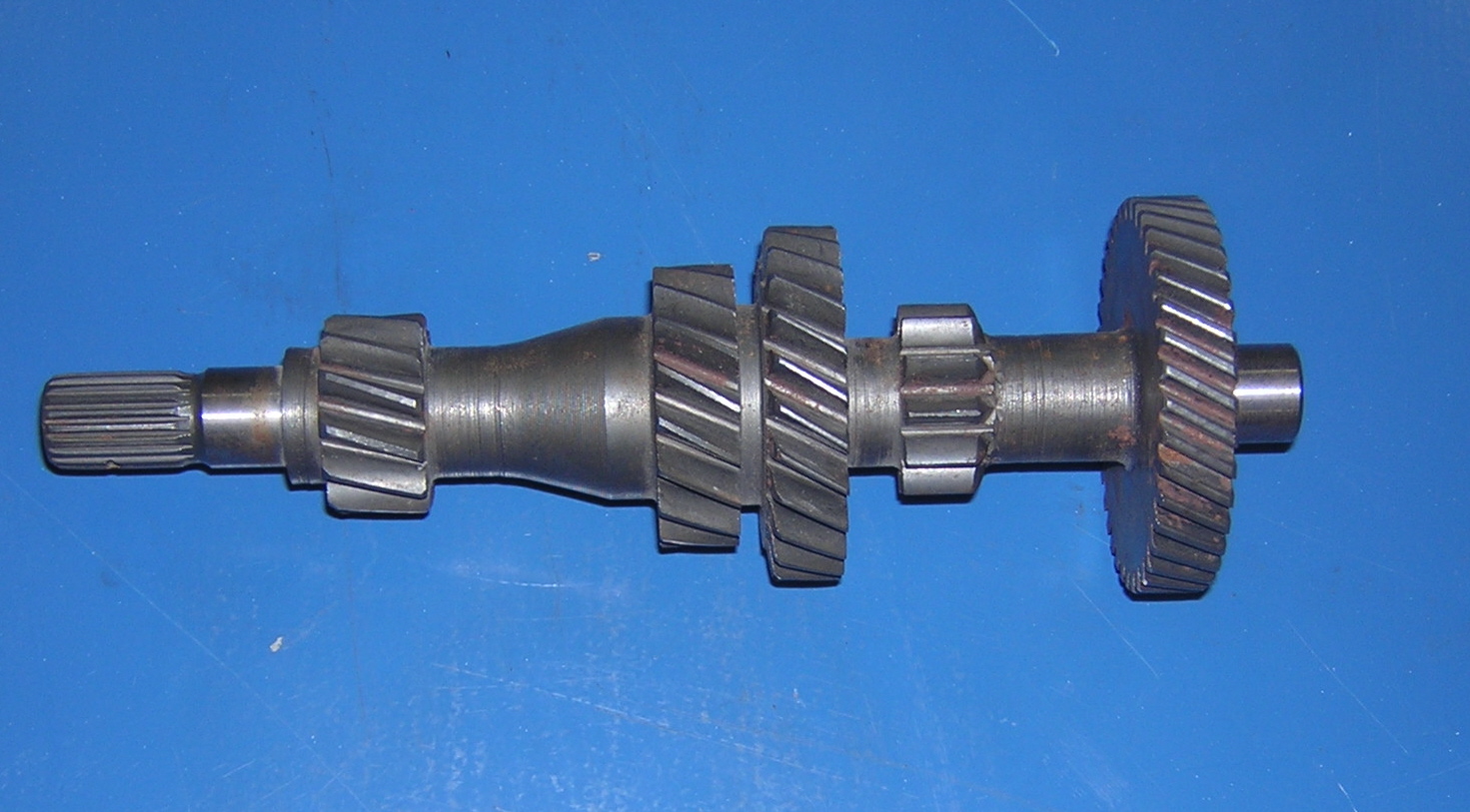
Applications include gears, gear shafts, pins, shafts, drive shafts, transmission components and automotive parts.
After appropriate carburizing and heat treatment, the component surface achieves high hardness for wear resistance while the core retains the necessary toughness.
Quenched and tempered steels
Common grades: SCM435, SCM440, 42CrMo4 and 40Cr.
Applications include shafts, high-strength bolts, gears, connecting rods, heavily loaded machine parts, motor shafts, pump shafts and machine structural components.
This group is often selected when high strength is needed throughout the cross-section.
Bearing steels
Example: SUJ2.
These steels have demanding requirements for cleanliness, hardness, wear resistance, microstructural stability and resistance to repeated contact stresses.
Applications include steel balls, bearings, rollers, and bearing inner and outer rings.
Tool and die steels
This is a more specialized family, often containing Cr, Mo, V, W and other elements.
Depending on the tool or die and its service conditions, requirements may include high hardness, wear resistance, heat resistance, resistance to deformation and dimensional stability.
5. Common alloy-steel grades in mechanical engineering
SCM420 / SCM420H
SCM420 and SCM420H are Cr-Mo steels with relatively low carbon content. They are widely used for products requiring carburizing.
Typical applications include gears, gear shafts, transmission shafts, gearbox components, automotive and motorcycle parts, and power-transmission components.
How does SCM420H differ from SCM420?
The suffix H indicates controlled hardenability requirements.
In mass production, especially for automotive parts and gears, consistent hardenability helps manufacturers control heat-treatment results across different heats and material lots.
6. SCM435
SCM435 is a Cr-Mo steel capable of achieving high mechanical properties after heat treatment.
Applications may include high-strength bolts, shafts, connecting components, heavily loaded machine parts and certain automotive components.
Selection of SCM435 should be tied to specific requirements for delivery condition and mechanical properties after heat treatment.
7. SCM440
SCM440 is a widely used Cr-Mo grade in mechanical manufacturing.
It is commonly selected for drive shafts, machine shafts, gears, high-strength bolts, heavily loaded components, industrial equipment and automotive parts.
One important advantage is its ability to achieve a good balance of strength, toughness, heat-treatment response and load-bearing capability.
8. SCr420
SCr420 belongs to the chromium-steel family and is commonly used for carburized components.
Applications include gears, shafts, pins and power-transmission parts.
When choosing between SCr420 and SCM420, decisions should be based on the customer's mechanical-property requirements, heat-treatment requirements and design standards.
9. Are 40Cr, 42CrMo4 and SCM440 the same?
This is a common source of confusion for businesses.
40Cr, SCM440 and 42CrMo4 belong to different standard systems.
Although some properties or application ranges may be similar, they should not automatically be treated as fully equivalent.
Before substituting a material, check:
- Chemical composition; - Mechanical properties; - Hardenability; - Delivery condition; - Dimensions; - Heat treatment; - Applicable standard; - Customer drawing.
For automotive products or components with demanding quality requirements, an unauthorized grade substitution can create significant risk.
10. How important is the delivery condition?
A common mistake when purchasing alloy steel is to focus only on grade and dimensions. In practice, the material's condition is very important.
Steel may be supplied in the following conditions or finishes:
- Hot rolled; - Annealed; - Normalized; - Quenched and tempered; - Cold drawn; - Peeled; - Ground; - Spheroidize annealed.
Even for the same grade, differences in delivery condition can substantially affect machinability, hardness, heading or forming performance, cold drawability and subsequent heat treatment.
11. Heat treatment strongly influences alloy-steel performance
Alloy steels often achieve their full potential when heat treated correctly.
Common processes include:
Annealing
Reduces hardness and improves machinability or formability.
Normalizing
Improves the microstructure and uniformity of the material.
Quenching
Increases hardness and strength.
Tempering
Adjusts hardness and reduces stresses after quenching.
Quenching and tempering
Commonly used for SCM435, SCM440 and similar grades.
Carburizing
Especially important for SCM420, SCM420H and SCr420.
The objective is to create a surface layer with high hardness and wear resistance while maintaining a tough core.
Induction hardening
Often used for shafts, gears and components requiring localized surface hardening.
12. Industrial applications of alloy steels
Automotive and motorcycle manufacturing
Applications include transmission gears, shafts, drive components, bolts, pins and engine parts.
Fasteners
Used for bolts, stud bolts, high-strength fasteners and cold-headed components.
Machine manufacturing
Used for machine shafts, gears, couplings, motor shafts, pump shafts and industrial machine parts.
Bearing manufacturing
Steels such as SUJ2 are used to manufacture bearing balls, rollers, inner rings and outer rings.
13. Common mistakes when selecting alloy steel
Looking only at the grade name
Two grades with similar names do not necessarily have the same properties.
Comparing only the price per kilogram
A lower steel price does not necessarily reduce total cost.
An unsuitable material can cause excessive tool wear, cracking during heading or forming, distortion after heat treatment, failure to meet mechanical properties, higher rejection rates, additional inspection costs and production-line stoppages.
Failing to check the delivery condition
The same grade in the annealed and quenched-and-tempered conditions can have very different machining behavior.
Substituting grades without approval
Do not switch between JIS, GB, SAE or EN grades solely on the basis of an online cross-reference table.
14. How BVM Steel selects alloy steels
BVM Steel recommends the following sequence:
Step 1 — Identify the final product
For example: gear, shaft, bolt, pin, bearing or automotive component.
Step 2 — Identify the loading conditions
Determine whether the component experiences tension, compression, torsion, impact, fatigue or friction.
Step 3 — Identify the manufacturing process
Hot forging, cold heading, cold drawing, CNC machining or grinding.
Step 4 — Identify the heat treatment
Carburizing, quenching, tempering or induction hardening.
Step 5 — Identify the standard
JIS, ASTM, SAE, EN, GB, KS or the customer's own specification.
Step 6 — Check the MTC
MTC means Mill Test Certificate, the manufacturer's material test certificate.
Check the heat number, chemical composition, mechanical properties, size, standard and heat-treatment condition.
15. BVM STEEL — ALLOY-STEEL SOLUTIONS FOR MECHANICAL ENGINEERING
BVM Steel focuses on industrial steels for manufacturing businesses, particularly foreign-invested factories and mechanical engineering companies in Vietnam.
Its material focus includes:
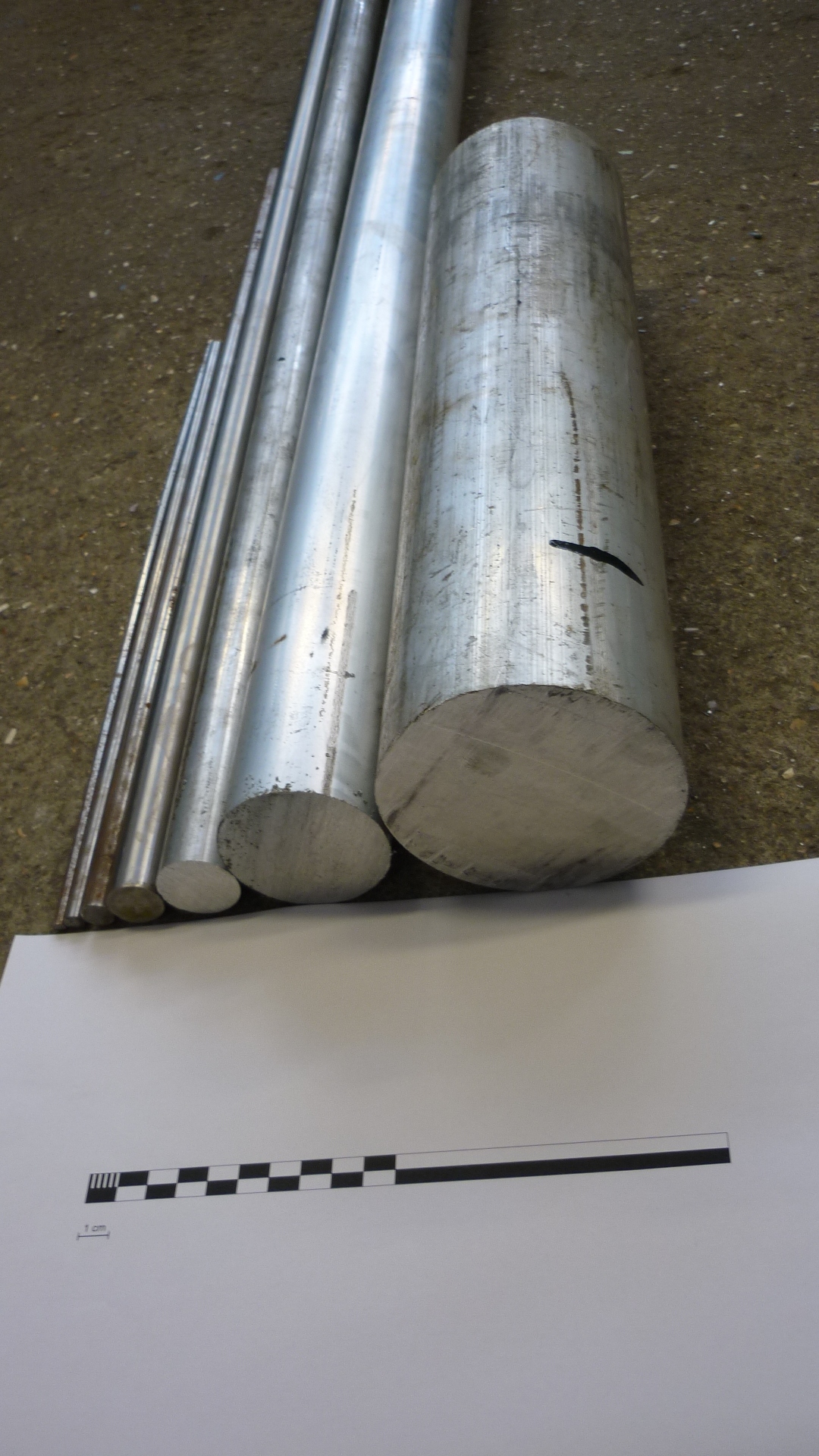
- High-quality carbon steel; - Cr-Mo alloy steel; - Case-hardening steel; - Gear steel; - Bearing steel; - CHQ steel; - Wire rod; - Round bar; - Steel to specific technical requirements.
Common grades include:
SCM420 | SCM420H | SCM435 | SCM440 | SCr420 | SCr440 | SUJ2 | S20C | S25C | S45C | S50C
BVM Steel aims to support customers throughout the process:
Technical requirements → grade selection → standards comparison → supplier verification → MTC review → import → schedule management → delivery.
For projects with specific requirements, customers can provide drawings, material specifications, chemical composition, mechanical properties, heat-treatment requirements, and dimensions and tolerances so that BVM Steel can review and propose an appropriate material solution.
BVM STEEL
REPUTATION BUILDS THE BRAND — QUALITY CREATES SUCCESS
Industrial Steel | Alloy Steel | Carbon Steel | CHQ Steel | Gear Steel | Bearing Steel | Wire Rod | Round Bar
Website: bachvietsteel.com